










Seafood Intolerance
If you have an intolerance (defined by YorkTest as a food-specific IgG reaction) to seafood or shellfish, your body produces an inflammatory response to the fish or shellfish proteins present.
Unlike seafood allergy, the effects of seafood intolerance are usually delayed, and are not life threatening but can cause you to feel unwell.
Where To Look
If shellfish is present in a food product, it is usually listed on the packaging. However, it is a good idea to familiarise yourself with the various types of seafood and shellfish to be aware of if you have a seafood intolerance.
- White fish (cod, plaice, sole, coley, haddock, pollock, monkfish)
- Oily fish (mackerel, tuna, sardines, anchovies, salmon, pilchards, herring, trout, tuna)
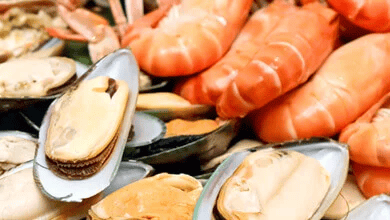
- Molluscs (clams, mussels, oysters, snails, scallops, squid, octopus)
- Crustaceans (crab, lobster and shrimp)
Premium Food Intolerance Test
0% interest for 4 months with PayPal Credit. Learn more
Replacements for a balanced diet
White fish is an excellent source of protein, vitamins and minerals. The Food Standards Agency recommends that we eat at least two portions of fish a week, with at least one of these being oily fish which is particularly nutritious.
However, if you are suffering from a seafood intolerance, it is important to discover which seafood in particular you react to and to make sure you include suitable fatty acid replacements in your diet such as
- Leafy greens such as spinach
- Avocado
- Walnuts, brazil nuts, hazelnuts and pecans
- Olive oil and flaxseed oil<
- Eggs
- Sesame butter, pumpkin seed butter
- Tofu
- Coconut oil
If you have found out that you are intolerant to seafood or shellfish, changing your diet need not be daunting. YorkTest Nutritional Therapists are here to help you understand how to optimise your food choices.
4 Simple Steps To A Better You
You will receive your testing kit in the post
Take a blood sample with our easy to use finger-prick test kit
Send your sample back in the prepaid envelope provided