






Skip to content
Save Up To 30%

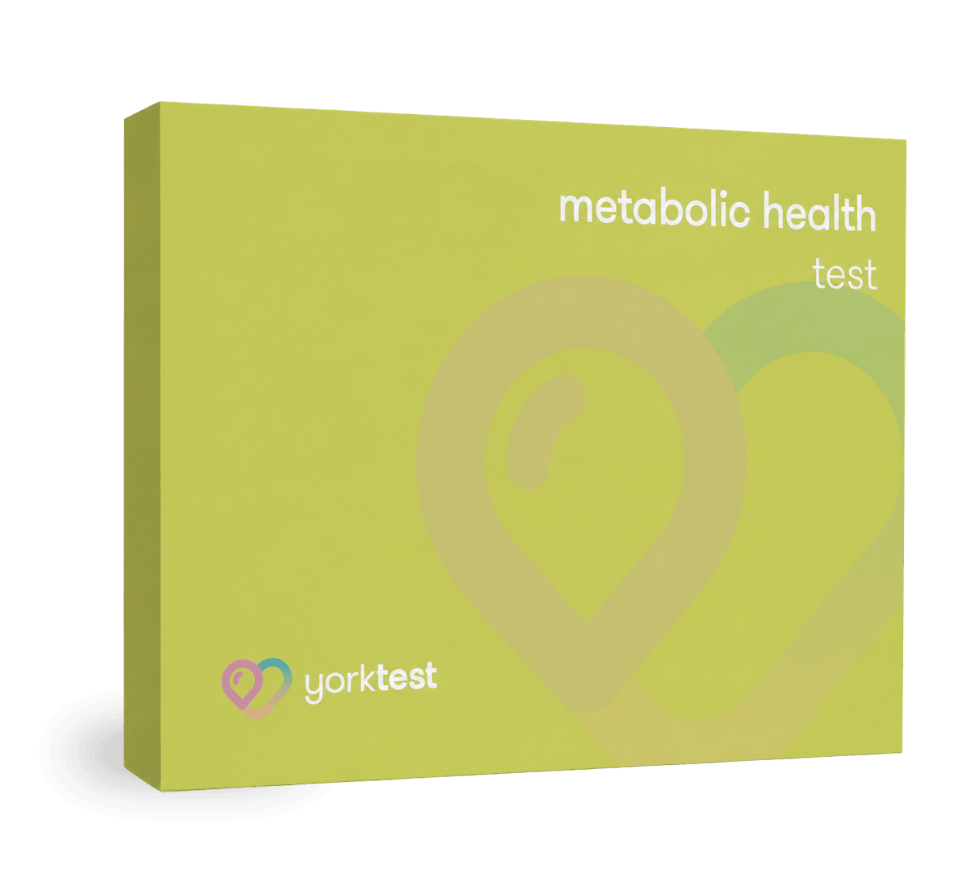
Metabolic Health Test

🏆 Award-Winning Test

Understand your metabolism, Improve your health

Getting detailed insights into your metabolic health has never been easier.

Our Metabolic Health Test analyses 23 important blood markers, including cholesterol, blood sugar, inflammation, vitamins and liver function, helping you better understand your health and identify areas that may benefit from further investigation or lifestyle changes.

Original price was: £199.Current price is: £139.

+ FREE delivery
SALE: 30% OFF ENDS MONDAY
Analyses 23 key metabolic health markers
Including your cholesterol, diabetes, inflammation, vitamins and liver

UKAS-accredited & CQC-compliant laboratory

Hospital-standard, easy-to-read results

Expert guidance to help you make effective changes

Quantity:
+ -

Choose another way to pay:

0% interest for 4 months with PayPal Credit. Learn more

PayPal Credit is like a credit card, without the plastic. It’s a credit limit that’s attached to your PayPal account which you can use for your online purchases. 0% interest for 4 months is available on single transactions of £99 or more. Find out more

  • Add items to your Basket
  • Select PayPal as your payment method at checkout
  • Log into your PayPal account and chose PayPal Credit as your payment method or apply for PayPal Credit

Representive Example

Representive 23.9% APR (variable); Purchase rate 23.9% p.a (variable); Assumed credit limit £1200.

Credit subject to status. Terms and conditions apply. YorkTest acts as a broker and offers finance from a restricted range of finance providers.

PayPal Credit is a trading name of PayPal (Europe) S.á.r.l et Cie, S.C.A, 22-24 Boulevard Royal L-2449, Luxembourg.


How Does It Work?

Metabolic health refers to how efficiently your body processes and uses energy. It is influenced by factors such as blood sugar regulation, cholesterol levels, inflammation, liver function and nutritional status.

Our Metabolic Health Test analyses 23 important blood markers to provide a comprehensive overview of your metabolic health. These include cholesterol, HbA1c (a marker of long-term blood sugar control), C-reactive protein (CRP), vitamin B12, folate, iron and liver function.

Together, these markers provide valuable insights into your overall health and wellbeing, helping identify potential nutritional deficiencies, inflammation or metabolic imbalances. Your personalised report includes clear next steps, including whether lifestyle changes may be beneficial or whether further discussion with your GP may be appropriate.

WHY TEST YOUR Metabolic Health?

Your metabolism influences far more than weight alone. It plays an important role in energy production, blood sugar regulation, heart health, inflammation and overall wellbeing. Understanding your metabolic health can help you make informed decisions about your diet and lifestyle while identifying areas that may benefit from further investigation.

Analyses 23 key metabolic health markers

Including cholesterol, HbA1c, CRP, vitamins and liver function.

Better Understand Your Metabolism

Gain valuable insights into your metabolic health, nutritional status and key health markers.

Support Long-Term Wellbeing

Understand important health markers linked to heart health, blood sugar, inflammation, vitamin levels and liver function.

How it works

Book Your Appointment – Choose your preferred address and a qualified local phlebotomist will contact you to arrange a convenient appointment.

Your Blood Draw – Your blood sample will be collected during a quick appointment, usually taking less than 15 minutes, before being sent to our UKAS-accredited laboratory for analysis.

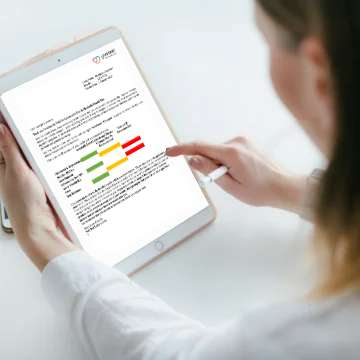
Receive Your Results – Your results will be available in your Wellness Hub within 7 days, with a personalised report covering all 23 health markers. Results are colour-coded for clarity Red = GP visit recommended Amber = Lifestyle and dietary changes may be beneficial Green = Acceptable level

Expert guidance – Our Registered Nutritional Therapists are available to help you understand your results and provide personalised nutritional support where appropriate.

Step-by-step

STEP 1 – Book Your Appointment

We collaborate with a network of qualified phlebotomists across the UK. Simply confirm the address where you’d like your appointment, at home or work, and your local qualified phlebotomist will get in touch to arrange the best date and time for you.

STEP 2 – Your Blood Draw

On the day, your phlebotomist will arrive, explain the simple blood draw process, and make sure you are comfortable. They will then collect your venous blood sample. It usually takes less than 15 minutes for the phlebotomist visit. Your sample will then be sent by your phlebotomist to the UKAS-accredited laboratory for analysis.

STEP 3 –Receive Your Results

Your gut health test results will be available on your Wellness Hub within 7 days. You will receive a personalised report showing your result for each of the 23 health markers. The results are colour-coded for clarity:

  • Red = GP Visit Recommended.
  • Amber = Borderline; Lifestyle & Dietary Changes May Be Recommended (and we can arrange an appointment with an expert Nutritional Therapist if needed).
  • Green = Acceptable Level. 

This report will be saved on your secure online Wellness Hub account and can be shared with your GP if you wish.

Our Nutritional Therapists will help you with Dietary and Lifestyle recommendations, taking into account both your food intolerances and your Gut & Metabolic Health Test results.

What you will receive

Your easy-to-understand report includes:

23 Key Health Markers – A comprehensive overview of key markers linked to metabolism, inflammation, nutritional status, liver function and overall wellbeing.

Cholesterol Profile – Understand your cholesterol levels and gain insight into factors that may influence cardiovascular health.

Blood Sugar Assessment – Includes HbA1c results to help you understand your long-term blood sugar control.

Inflammation Indicators – Measures C-reactive protein (CRP) to provide insight into potential inflammatory activity within the body.

Nutrient Status Analysis – Includes vitamin B12, folate and iron markers to help identify potential nutritional deficiencies.

Liver Function Markers – Assesses key liver health indicators that contribute to your overall metabolic wellbeing.

What your results help with

Better Understand Energy Levels

Identify nutritional or metabolic factors that may be contributing to low energy levels or fatigue.

Identify Nutrient Deficiencies

Gain insight into vitamin and mineral levels that play an important role in supporting your overall health and wellbeing.

Monitor Inflammation

Understand whether your inflammation markers indicate areas that may benefit from further investigation.

Support Metabolic Health

Explore how key health markers relate to your metabolism, lifestyle and overall wellbeing.

Understand Cholesterol & Heart Health

Review your cholesterol profile to better understand factors that may influence cardiovascular health.

Monitor Blood Sugar Balance

Gain valuable insight into your long-term blood sugar control through HbA1c testing.

Make Informed Lifestyle Choices

Use your results to support positive dietary and lifestyle decisions.

Build a Complete Health Picture

Bring together multiple health markers to gain a broader understanding of your metabolic and nutritional health.

Important Information

This test provides informational insights only. It is not a diagnostic tool and cannot diagnose medical conditions.

Your results should always be interpreted alongside your symptoms, medical history and advice from an appropriately qualified healthcare professional where necessary.

Our Registered Nutritional Therapists can help you understand your results and provide personalised dietary and lifestyle recommendations based on your Metabolic Health Test.

What We Test For

High cholesterol often has no visible symptoms but is a hidden risk factor for heart disease and strokes. There are different types of cholesterol that play different roles in your body, so we report 5 different markers of cholesterol plus triglycerides:

Total Cholesterol: The overall amount of cholesterol in your blood, including both “good” and “bad” cholesterol.

HDL Cholesterol: High-density lipoprotein (HDL) cholesterol is also known as “good” cholesterol. If this is high, it can lower your risk of heart problems or a stroke.

Non-HDL Cholesterol: An indicator of “bad” cholesterol. If this is high, it increases your risk of heart problems or a stroke.

LDL Cholesterol: Low-density lipoprotein (LDL) cholesterol is a “bad” cholesterol. If this is high, it increases your risk of heart problems or a stroke.

Triglycerides: A fatty substance similar to “bad” cholesterol.

HDL to Cholesterol %:  This is useful information for a GP in determining your risk of heart problems or stroke. The main aim is to focus on lowering your “bad” cholesterol and triglycerides and increasing your “good” HDL cholesterol.

The rate of Type 2 Diabetes diagnoses has more than doubled in the past 15 years. Obesity and a sedentary lifestyle are major risk factors for diabetes.

We measure HbA1c (glycated haemoglobin), which reflects your average blood glucose (sugar) levels over the past three months. This provides an accurate indication and early detection of pre-diabetes and diabetes.

The liver is responsible for functions vital to life. The liver primarily processes nutrients from foods, removes toxins from the body and builds proteins. It breaks down fats, it converts glucose into energy stores and produces hormones. It also helps the body fight off infections. We measure 8 different markers of liver function:

Albumin: A protein that is made in your liver. It helps to transport nutrients and hormones, as well as growing and repairing tissues in your body.

Globulin: A group of proteins made in your liver. Globulins play an important role in liver function, blood clotting and fighting infections.

Total protein: Your albumin and globulin levels combined.

Alanine Aminotransferase (ALT): A protein enzyme that is only found in your liver, so it’s a good indicator of your liver status. A high ALT level can be a sign of liver damage.

Alkaline Phosphatase (ALP): Another enzyme mainly found in your liver, but some is also made in your bones, intestines, pancreas, and kidneys.

Aspartate Aminotransferase (AST): A protein enzyme found mainly in the liver. Another name for the AST enzyme is serum glutamic-oxaloacetic transaminase (SGOT). Damage to liver cells can cause the release of extra AST into the blood, leading to higher levels of the enzyme.

Gamma-glutamyl Transferase (GGT): A protein enzyme found mainly in the liver. A high GGT can indicate damage to the liver or bile ducts.

Bilirubin: a yellow pigment. High bilirubin levels can be a sign that your liver is damaged. Sometimes high levels can be caused by Gilbert’s syndrome, which is a harmless inherited disorder.

Inflammation can indicate damage or deterioration in your body that you may not be aware of. We often think of inflammation as redness and/or swelling that’s visible on the skin, but you can also get internal inflammation with no visible warning signs.

We measure hs-CRP (high-sensitivity C-reactive protein), which is the most important marker for inflammation. High hs-CRP is a risk marker for heart disease, stroke, and a number of chronic conditions. It is also raised if you have an infection.

Vitamin B12 has many roles in your body. It is important for red blood cell production and helps your nervous system to function properly. It is also linked to health benefits, including boosting your energy, improving your memory, and helping to prevent heart disease.

We measure your Active Vitamin B12 levels to identify whether you might have a vitamin B12 deficiency.

Folate is one of the B-vitamins and has many functions in the body. It is vital for the formation of red blood cells, energy levels, and contributes to the normal function of the immune system. Your body can’t build up a store of folate, so you can become deficient in a matter of weeks. It’s important to continuously get enough from your diet or from supplements.

We measure your Folate levels to identify whether you might have a folate deficiency.

Iron deficiency occurs when there’s not enough iron in your body. Iron is an essential mineral for your body. It’s needed to produce red blood cells, which are important for:

  • a healthy immune system
  •  mental function
  •  muscle strength and energy

We measure 5 different markers of iron deficiency:

Iron: Within red blood cells, iron plays a crucial role as a component of a protein known as haemoglobin. Haemoglobin serves as the carrier for oxygen within your bloodstream, facilitating the transport of oxygen from your lungs to all the cells in your body, ensuring their proper functioning. Since your body cannot produce iron on its own, obtaining it from your diet is essential. Maintaining the right balance of iron in your body is of utmost importance. Low iron levels can lead to the development of anaemia, while excessive iron intake can be toxic.

Ferritin: A most useful indicator of iron deficiency, as iron stored as ferritin can be decreased before any other blood iron levels are low. The test can also indicate if blood iron stores are too high.

Unsaturated Iron-Binding Capacity (UIBC):  The amount of transferrin (a protein found in the blood that plays a crucial role in the transport of iron throughout the body) that is not currently carrying iron. Elevated UIBC levels can indicate a deficiency of iron in the body, while low levels may suggest excess iron.

Total Iron-Binding Capacity (TIBC): A measurement that assesses the maximum amount of iron that can be bound to transferrin in the blood. It provides information about iron-related conditions, with higher TIBC values typically seen in cases of iron deficiency and lower values in cases of iron excess.

Transferrin Saturation: Transferrin saturation is a parameter that assesses the percentage of transferrin in the blood that is currently carrying iron. It is a valuable indicator of how efficiently the body is utilising the available iron stores, with lower values indicating potential iron deficiency and higher values suggesting a surplus of iron in the body.

FAQs

After ordering your Gut & Metabolic Health Test online, you will be asked to confirm the address where you’d like your phlebotomist appointment to take place. A local qualified phlebotomist will then call you to arrange a suitable date and time. You will be required to verify your identity (via a form of photo identification) before your phlebotomist can take your blood sample.

The healthcare provider will arrive equipped with the necessary supplies, including a sterile needle, collection tube, and a tourniquet. They will cleanse the intended needle insertion area, typically inside the elbow or the back of the hand, using an antiseptic solution.

Application of Tourniquet: To facilitate vein identification, the provider will gently apply a tourniquet to your arm.

Locating the Vein: Once a suitable vein is located, the healthcare provider may gently tap the area to encourage vein dilation. In some cases, they may ask you to make a fist to aid in vein visibility.

Needle Insertion: Using a sterile needle, the provider will insert it into the vein. You may experience a brief pinch or prick during this process. The needle is connected to a collection tube, which will gradually fill with blood as it is drawn from the vein.

Blood Collection: The blood flows into the collection tube due to the vacuum pressure within it. Different tube types may be used as various tests require specific tubes.

Needle Removal: After obtaining the necessary amount of blood, the healthcare provider will remove the needle. They will apply gentle pressure to the puncture site using a sterile cotton ball or gauze to stop any bleeding. A plaster may also be applied over the site.

Labelling: Each blood collection tube is carefully labelled with your information and the specific tests to be conducted.

Post-Procedure Care: You may be instructed to keep the cotton ball or plaster in place for a brief period to ensure bleeding has ceased. Additionally, it is advisable to refrain from strenuous arm movements immediately following the blood draw.

Venous blood draws are commonly used for blood collection, and the collected blood is sent to a laboratory for testing. The procedure is relatively quick and generally safe, with minimal discomfort for most individuals.

A phlebotomist is a healthcare professional who specialises in the collection of blood samples for various purposes, including medical testing, diagnosis, research, and blood donation. Phlebotomists play a crucial role in the healthcare system by ensuring the safe and efficient collection of blood from patients.

Phlebotomists undergo extensive training and education to acquire the necessary skills and knowledge for their role. Here are some common qualifications and requirements for phlebotomists in the UK:

Education and Training: Phlebotomists often complete a formal phlebotomy training program, which may be offered by colleges, universities, or healthcare institutions. These programs cover topics such as anatomy, physiology, infection control, venipuncture techniques, and patient communication.

Certification: While not always required, some phlebotomists choose to become certified through organisations like the National Association of Phlebotomists (NAP). Certification can demonstrate competency and enhance job prospects.

On-the-Job Training: Many phlebotomists gain practical experience and training on the job. They may start as healthcare assistants or healthcare support workers and receive training in phlebotomy as part of their role.

Registration: Some phlebotomists may choose to register with a professional organisation, such as the NAP, to access resources, stay updated on best practices, and demonstrate their commitment to the field.

Many food intolerances and gut imbalances can affect the way the body digests nutrients, manages blood sugar, processes fats, and regulates inflammation.

The Gut & Metabolic Health Test evaluates metabolic, nutritional, and inflammatory markers that can provide insight into how your digestive function and liver health may be impacting your overall metabolism and energy. Whilst blood markers cannot directly diagnose food intolerances or gut imbalances, they can reveal patterns suggestive of malabsorption, inflammation, or metabolic strain.

Digestive issues can impact far more than the gut itself — they may influence inflammation, nutrient status, and metabolic balance in ways that can appear in routine blood markers. Changes in nutrient absorption, gut-driven inflammation, or bile metabolism can shift cholesterol levels, affect liver enzymes, elevate CRP, and deplete nutrients like vitamin B12, folate, and iron.

Looking at these health markers together in our Gut & Metabolic Health Test helps reveal patterns that could be linked to underlying gut-related imbalances and may highlight metabolic and inflammatory patterns that may be associated with underlying digestive issues. This test panel helps identify metabolic and inflammatory patterns that may stem from hidden food sensitivities or gut dysfunction.

  • Lipid Metabolism: Total cholesterol, HDL, LDL, triglycerides
  • Glucose Regulation: HbA1c (diabetes indicator)
  • Inflammation: C-reactive protein (CRP)
  • Nutrient Absorption: Vitamin B12, folate, iron panel (iron, ferritin, UIBC, TIBC, transferrin saturation)
  • Liver & Protein Function: AST, ALT, ALP, GGT, bilirubin, total protein, albumin, globulin
  • Supports investigation of food intolerances and gut inflammation
  • Evaluates liver stress linked to microbiome or dietary triggers
  • Assesses nutrient absorption efficiency
  • Monitors metabolic effects of chronic digestive imbalance
  • Provides baseline insight before advanced microbiome testing

Abnormal patterns in markers — for example, elevated inflammatory or liver enzymes alongside low nutrient levels or altered lipid and glucose control — can provide clues to systemic inflammation, possible malabsorption, or metabolic stress that may be related to digestive issues.

The Gut & Metabolic Health Test brings these health markers together to give a clearer picture of how your gut, diet, and metabolism may be influencing one another and impacting your overall health.

Case Studies

“When I started the diet I was wearing a dress size 10. By within a few weeks, my stomach felt flatter and the puffiness I’d felt before had gone and I could get into a size 8”

Sharon Robson

Symptoms Digestive discomfort, bloating

Read More
A black and white picture of a woman with jet black long hair and a black best smiling at the camera

“Any marginal gains that you can get from your training or your diet is so big these days for athletes when there’s such fine margins. So knowing that my body is able to take in these foods better and I’m not consuming anything that’s not helping me, is making such a big difference for me”

Fin Bigg

Symptoms Breathing issues

Read More
young man smiling and looking away from the camera

“I'm just so happy to have had the test and have a clearer understanding as to why I felt so poorly for so long. I have subsequently recommended the test to friends and family as I'm so impressed with the test and more importantly the level of service. Very happy.”

Simon Pattison

Symptoms Ibs, bloating

Read More
white and black picture of a middle aged man in a car wearing a smart suit.

“The nutritional consultation was very helpful because yeast is hidden in so many processed foods, which I wouldn’t have thought of looking in”

Hannah Grant

Symptoms Cramps, bloating, nausea, headaches

Read More
digestive problems headaches review hannah

“I feel so relieved to finally have an answer to my symptoms.”

Leigh Macey

Symptoms Bloating, stomach pain, cramps, heartburn

Read More
middle aged blonde woman smiling at the camera

Why Choose Us

Our Heritage

We have 40 years of expertise in providing reliable and scientifically validated home-to-laboratory testing services.

Quality, accuracy & expertise

YorkTest’s products have a 98% reproducibility rate, meaning that two separate results of the same person’s sample will correlate with each other 98% of the time. All results are confidential and provided to you online via our wellness hub within 7 days.

Aftercare service & support

We offer nutritional support and aftercare from a team of qualified Nutritional Therapists.

In-house & UK based

Based in York, UK, we’re fully audited and operate in our certified, in-house laboratory. All our tests are compliant with the European Medical Device Directive 93/42/EEC (Article 12) and the European In Vitro Diagnostic Directive 98/79/EC.

[]