Mustard Allergy: Symptoms, Hidden Sources & UK Allergen Law
- What Is a Mustard Allergy?
- What Are the Symptoms of Mustard Allergy?
- Is Mustard Allergy Common?
- Where Can Mustard Be Hidden?
- Does Cooking Make Mustard Safe?
- Mustard Allergy and UK Allergen Law
- What Is Natasha’s Law?
- What Is Mustard Weed Allergy?
- How Is Mustard Allergy Diagnosed?
- Managing an Allergy to Mustard
An allergy to mustard can cause symptoms ranging from itching and hives to a severe allergic reaction. Although mustard allergy is thought to be relatively rare in the UK, mustard is recognised as one of the 14 allergens that food businesses must declare under UK food information law.
The challenge is that mustard isn’t only found in a jar of English or Dijon mustard. Mustard seeds, powder and other forms can appear in sauces, marinades, processed meats, spice mixes and ready meals, making careful label checking particularly important for anyone who is diagnosed with this specific allergy.
What Is a Mustard Allergy?
A mustard allergy occurs when the immune system mistakenly identifies proteins in mustard as harmful. In response, the body releases chemicals such as histamine, which cause the symptoms of an allergic reaction.
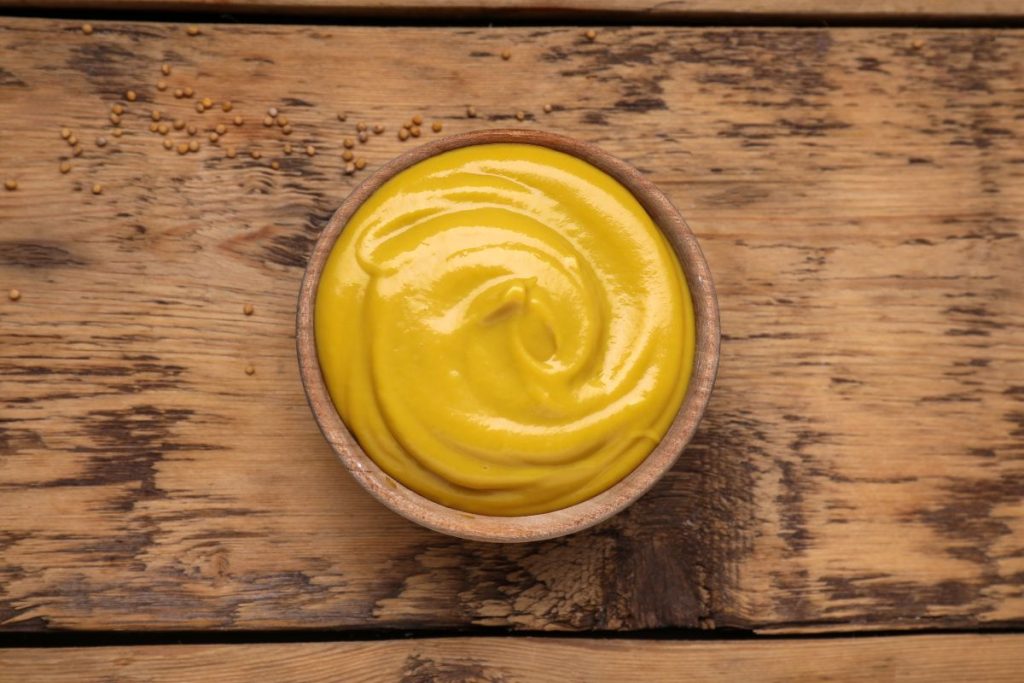
Mustard comes from plants in the Brassicaceae family, and different varieties include white or yellow mustard, brown mustard and black mustard. The seeds can be used whole, crushed or ground into mustard powder, while mustard leaves, sprouts, flowers, cress and oil may also be used in food. People with a confirmed mustard allergy may therefore be advised to avoid mustard in its various forms.
Unlike a food intolerance, a mustard allergy involves the immune system and reactions usually happen quickly, often within minutes of eating the food.
What Are the Symptoms of Mustard Allergy?
Mustard allergy symptoms vary from person to person and can range from mild to severe.
Mild or moderate symptoms may include:
- Itching or tingling in the mouth
- A red, raised and itchy rash or hives
- Swelling of the face, lips or eyes
- Nausea or vomiting
- Abdominal discomfort
A mustard allergy rash commonly appears as hives (urticaria) – raised, itchy patches that can develop anywhere on the body.
More serious reactions can sometimes develop into anaphylaxis. Warning signs can include difficulty breathing, wheezing, swelling affecting the throat or tongue, dizziness, confusion, faintness or collapse.
If someone is experiencing symptoms of anaphylaxis, use their prescribed adrenaline immediately if available and call 999 for emergency medical assistance.
Is Mustard Allergy Common?
It isn’t currently known exactly how common mustard allergy is in the UK because there is limited prevalence data. It is generally considered uncommon, although mustard allergy is reported more frequently in countries where mustard consumption is usually higher, such as France.
However, being relatively uncommon doesn’t mean it should be taken lightly. Reactions can be serious, and some sensitive individuals may react to very small amounts of mustard.
Where Can Mustard Be Hidden?
Mustard is used for more than simply adding flavour. In food manufacturing, it may also be used for properties such as thickening, emulsifying and stabilising, which means it can turn up in products where you might not immediately expect it.
Foods that may contain mustard include:
- Mayonnaise and salad dressings
- Barbecue and tomato sauces
- Marinades
- Gravies and stock
- Sausages and processed meats
- Curries and spice blends
- Pickles, chutneys and piccalilli
- Soups and ready meals
- Coated or seasoned meat products
Mustard seeds and mustard oil are also commonly used in a range of international cuisines, including Indian, French, Eastern European and Middle Eastern cooking.
Ingredients and recipes can change, so always check the label even if you’ve eaten a particular product safely before.
Does Cooking Make Mustard Safe?
No. Unlike some allergens where heating can change the proteins involved, the proteins responsible for mustard allergy are resistant to heat.
This means cooked mustard can still trigger an allergic reaction, so someone with a diagnosed mustard allergy shouldn’t assume a sauce, curry or cooked dish is safe simply because the mustard has been heated.
Mustard Allergy and UK Allergen Law
Mustard is one of the 14 allergens covered by UK food information legislation.
For prepacked foods, mustard must be clearly emphasised within the ingredients list. This might be done using bold type, capital letters, underlining or another method that makes the allergen stand out.
What Is Natasha’s Law?
Since October 2021, foods that are prepacked for direct sale (PPDS) must display the name of the food and a full ingredients list, with any of the 14 regulated allergens – including mustard – emphasised.
PPDS food could include, for example, a sandwich prepared and packaged on the premises before a customer chooses it. These rules are commonly referred to as Natasha’s Law.
For food that isn’t prepackaged, such as meals served in restaurants, cafés and takeaways, businesses must still provide information about the presence of the regulated allergens. Depending on the business, this information may be provided in writing or verbally by staff.
If you have a mustard allergy, make your allergy clear when ordering and ask staff to check ingredients and potential cross-contamination rather than relying solely on the name or description of a dish.
What Is Mustard Weed Allergy?
A mustard weed allergy may be referring to a related condition called mugwort-mustard allergy syndrome.
Mugwort is a weed whose pollen can cause hay fever. Some of its proteins are similar to proteins found in mustard and related plants, meaning people sensitised to mugwort pollen can sometimes experience cross-reactive food allergy symptoms after eating mustard.
This cross-reaction is considered rare in the UK because mugwort pollen allergy itself is relatively uncommon. Not everybody with mugwort pollen allergy reacts to mustard, and most people with mustard allergy don’t necessarily have a pollen-related allergy.
How Is Mustard Allergy Diagnosed?
If you think you’ve experienced an allergic reaction to mustard, speak to your GP. They may refer you to a specialist allergy clinic for further assessment.
Diagnosis usually starts with a detailed discussion of your symptoms and what you ate before the reaction. Depending on your circumstances, an allergy specialist may recommend skin prick testing, specific IgE blood testing or, where appropriate, a supervised food challenge.
A positive allergy test on its own doesn’t necessarily confirm a clinical allergy; results need to be considered alongside your reaction history by an appropriately trained healthcare professional.
Managing an Allergy to Mustard
Once mustard allergy has been diagnosed, the main approach is avoiding mustard and foods containing it. While this may sound easy on paper, managing the allergy can be more challenging.
Some measures you can take include reading ingredients carefully each time you shop, checking allergen information when eating out and telling restaurants or food providers clearly about your allergy . If you’ve been prescribed emergency medication, keep it with you and follow the allergy management plan provided by your healthcare professional.
Understanding where mustard can appear – and knowing your rights under UK allergen law – can make shopping and eating away from home safer and more manageable.