
What Is Gut Health?
- What Is Gut Health?
- Why Is Gut Health Important?
- What Does Good vs Poor Gut Health Look Like?
- What Is Good for Gut Health?
- What Is the Best Diet for Gut Health?
- What Foods and Drinks Are Good For Gut Health?
- Are Probiotics or Supplements Necessary?
- Where Testing Fits Into Gut Health
- Step 1: Food Intolerance Test
- Step 2: FIT Test
- Step 3: Gut Health Test
- Step 4: Nutritional Therapist Support
- What Is the Gut Health Test – and Is It Right for You?
- Supporting Your Gut Health With YorkTest
- Take the Next Step Toward Better Gut Health
Gut health is a term you’ll see everywhere, from diet recommendations to medical examinations – but what does it actually mean, and why does it matter so much to how you feel every day?
If you regularly experience bloating, digestive discomfort, fatigue, or that “off†feeling without a clear explanation, your gut health could be playing a role. Increasingly, research shows that the gut doesn’t just affect digestion; it influences energy levels, immune function, mood, and overall well-being.
In this guide, we’ll explain what gut health really is, why it’s important, what supports it, and how gut health testing can help you take clearer, more confident next steps.
What Is Gut Health?
Gut health refers to how well your digestive system functions and, in particular, the balance of microorganisms living in your gut – known as the gut microbiome.
A healthy gut supports:
- Efficient digestion and nutrient absorption
- Immune system function
- Regulation of inflammation
- Communication between the gut and brain
When gut health is disrupted, digestion can become less efficient, and symptoms may start to appear, sometimes gradually and sometimes persistently.
Why Is Gut Health Important?
Your gut does far more than process food. Around 70% of the immune system is linked to the gut, and it communicates directly with the brain via the gut–brain axis.
When gut health is compromised, people may experience symptoms such as:
- Bloating or abdominal discomfort
- Irregular digestion
- Fatigue or low energy
- Poor concentration
- Increased sensitivity to stress
On the other hand, good gut health often supports steadier energy, improved digestion, and an overall greater sense of physical balance.
What Does Good vs Poor Gut Health Look Like?
People with good gut health often describe feeling comfortable after meals, having regular bowel habits, and maintaining consistent energy throughout the day.
Poor gut health, however, may show up as:
- Frequent bloating or wind
- Digestive discomfort after eating
- Feeling sluggish or tired after meals
- Ongoing digestive irregularity
Many people live with these symptoms for years without realising their gut could be involved.
What Is Good for Gut Health?
Gut health is influenced by diet, lifestyle, and individual tolerance.
In general, habits that support gut health include:
- Eating a varied, balanced diet
- Staying hydrated
- Managing stress
- Prioritising sleep
Foods often associated with gut health include fibre-rich foods and fermented products, but tolerance varies significantly from person to person. What supports one person’s digestion may trigger symptoms in another.
What Is the Best Diet for Gut Health?
There’s no single “best†diet for gut health.
Many people benefit from diets that include a wide range of plant foods, whole grains (where possible), and adequate protein. Fermented foods and live yoghurts are commonly discussed, but they’re not suitable for everyone.
If certain foods regularly leave you bloated or uncomfortable, general dietary advice may not be enough. Understanding how your body responds to specific foods is often key.
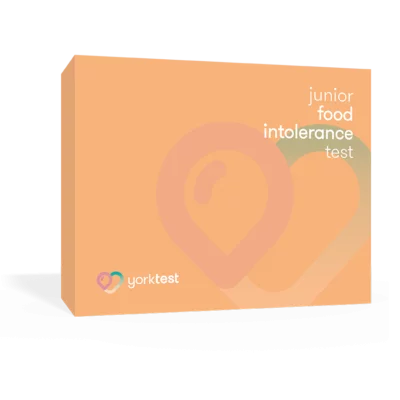
It’s also important to take your individual food intolerances into account when optimising your diet for gut health. Foods that are widely considered ‘healthy’ can still trigger digestive symptoms if your body reacts negatively to them. Taking a Food Intolerance Test can help identify specific foods that may be contributing to bloating, discomfort, or fatigue, providing a clearer starting point for your gut health journey. When combined with guidance from a Nutritional Therapist and, where appropriate, insights from a Gut Health Test, this personalised approach allows dietary changes to be made with confidence rather than guesswork.
What Foods and Drinks Are Good For Gut Health?
People often ask about specific foods, drinks, and supplements for gut health, ranging from yoghurt and fruit to herbal teas and probiotics.
Commonly discussed options include:
- Live yoghurts with minimal added sugar
- Lactose-free or plant-based alternatives for sensitive digestion
- Herbal teas such as peppermint or ginger
- Adequate water intake throughout the day
Rather than focusing on individual “superfoods,†consistency, balance, and personal tolerance tend to matter most.
Are Probiotics or Supplements Necessary?
Probiotics and gut health supplements can be helpful in some cases, but they’re not a universal solution.
Taking supplements without understanding what’s happening in your gut may lead to mixed or short-lived results. For many people, identifying underlying digestive patterns first provides a stronger foundation for deciding what support is actually needed.
Where Testing Fits Into Gut Health
When digestive symptoms persist, a structured, step-by-step approach is often recommended.
Nutritional Therapists typically emphasise that understanding how your body responds to specific foods is the first step in supporting gut health.
Step 1: Food Intolerance Test
Before exploring gut markers in more detail, identifying potential food intolerances provides a clear, practical starting point.
A Food Intolerance Test measures your immune response to common food proteins, helping to highlight foods that may be contributing to bloating, discomfort, fatigue, or digestive disruption.
This insight allows dietary changes to be made in a targeted, personalised way — reducing unnecessary restriction and supporting the gut before further testing is considered.
Step 2: FIT Test
A FIT (Faecal Immunochemical Test) is commonly used as a next step to check for signs of bleeding in the digestive tract. It helps rule out more serious concerns and provides reassurance before moving forward.
Step 3: Gut Health Test
If symptoms continue and no clear cause is identified, a Gut Health Test can offer deeper insight into digestive markers and gut function. While it doesn’t diagnose conditions, it can highlight areas that may benefit from nutritional support.
Step 4: Nutritional Therapist Support
Testing is most effective when paired with a Nutritional Therapist. A qualified Nutritional Therapist can help interpret results and suggest practical, sustainable dietary changes based on your individual needs.
What Is the Gut Health Test – and Is It Right for You?
The Gut Health Test may be suitable if you experience ongoing digestive discomfort, bloating, or fatigue and want a deeper understanding of your gut function.
It’s often recommended after completing a FIT test and forms part of a responsible, evidence-led approach. Rather than assumptions, it provides data that can guide informed next steps.
Supporting Your Gut Health With YorkTest
YorkTest has over 40 years of experience helping people understand how food and digestion affect their wellbeing.
Our approach combines:
- Home-to-laboratory testing
- Clear, easy-to-understand results
- One-to-one support from qualified Nutritional Therapists
This ensures you’re supported throughout your journey – not left interpreting results alone.
Take the Next Step Toward Better Gut Health
If digestive symptoms are affecting your quality of life, you don’t have to rely on guesswork.
By starting with the right tests, and receiving expert guidance along the way, you can gain clarity and move forward with confidence.
Explore your options with YorkTest and take a more informed, personalised approach to supporting your gut health.