






Skip to content
Save £60!

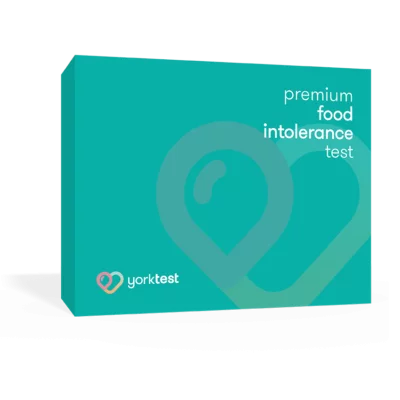
Premium Food Intolerance Test

Could the foods you eat be causing your symptoms?

If you’re experiencing bloating, IBS-type symptoms, brain fog, tiredness or unexplained skin concerns, your diet could be playing a role. Test your response to 200 food and drink ingredients with our most comprehensive food intolerance test. Simply take a finger-prick blood sample at home, return it to our laboratory by post, and receive your results within 7 days.

Original price was: £199.Current price is: £139.

+ FREE Delivery
SALE: 30% OFF ENDS MONDAY

Designed to help you understand whether symptoms such as nausea, headaches, skin issues, digestive discomfort and tiredness could be linked to your diet

Simple home-to-laboratory finger-prick blood test

Tests for over 200 food and drink ingredients

Consistent with NHS guidance on food intolerance

Quantity:
+ -

Choose another way to pay:

0% interest for 4 months with PayPal Credit. Learn more

PayPal Credit is like a credit card, without the plastic. It’s a credit limit that’s attached to your PayPal account which you can use for your online purchases. 0% interest for 4 months is available on single transactions of £99 or more. Find out more

  • Add items to your Basket
  • Select PayPal as your payment method at checkout
  • Log into your PayPal account and chose PayPal Credit as your payment method or apply for PayPal Credit

Representive Example

Representive 23.9% APR (variable); Purchase rate 23.9% p.a (variable); Assumed credit limit £1200.

Credit subject to status. Terms and conditions apply. YorkTest acts as a broker and offers finance from a restricted range of finance providers.

PayPal Credit is a trading name of PayPal (Europe) S.á.r.l et Cie, S.C.A, 22-24 Boulevard Royal L-2449, Luxembourg.


Tired of wondering what's causing your symptoms?

Bloating, IBS, digestive discomfort, fatigue, headaches or skin issues can make every day feel exhausting. Self-guessing, trying different diets and cutting out foods can take a long time with no guaranteed results.

Get clear answers with our Premium Food Intolerance Test

Discover how your body responds to 200 foods and drink ingredients. Identify potential trigger foods, make targeted dietary changes, and take steps towards improving your symptoms, health and wellbeing.

You’ll get the clarity you need to make informed choices about your diet and wellbeing.

Symptoms that could be linked to food intolerace

Skin issues / eczema / acne / psoriasis / IBS / bloating & gas / digestive / discomfort / fatigue & low energy / headaches & brain fog

Simple. Quick. Reliable.

Simply collect your finger-prick blood sample at home, post it to our ISO- accredited laboratory, and receive your personalised results in as little as 7 days.

Lady eating food from a street-food style box wearing sunglasses. She is happy.

How would it feel ...to finally have the answers?

Imagine not having to second-guess your symptoms.

No more wondering what's causing the way you feel. No more relying on guesswork or spending hours searching for answers.

Understanding...

which foods may be directly impacting
your symptoms

Being able to make changes...

with confidence instead of trial
and error

Supporting you to...

feel healthier, happier and enjoy
spending time with family and friends

Feeling empowered...

with personalised information
about your body

How it works

Order your test kit – delivered directly to your door

Collect your sample at home – simple finger prick

Send it to our laboratory – using the prepaid packaging provided

Receive your test results and book a consultation – access your personalised report through your secure online Wellness Hub account. Then, schedule a consultation with one of our qualified Nutritional Therapists to review your results and explore your recommended next steps

What's In The Test?

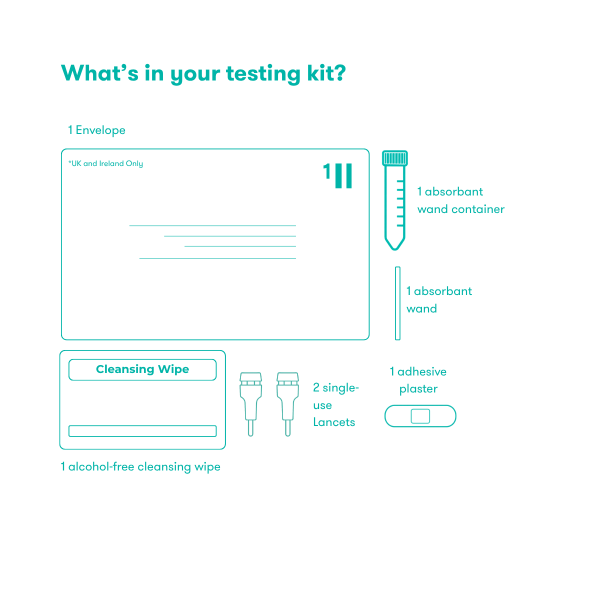
Home to laboratory kit

What’s in your food intolerance* testing kit

Your food intolerance test starts and ends its journey at our in-house laboratory. By placing your order, dispatching your kit and processing your blood sample all in one place, we fully safeguard the stability and security of your sample.

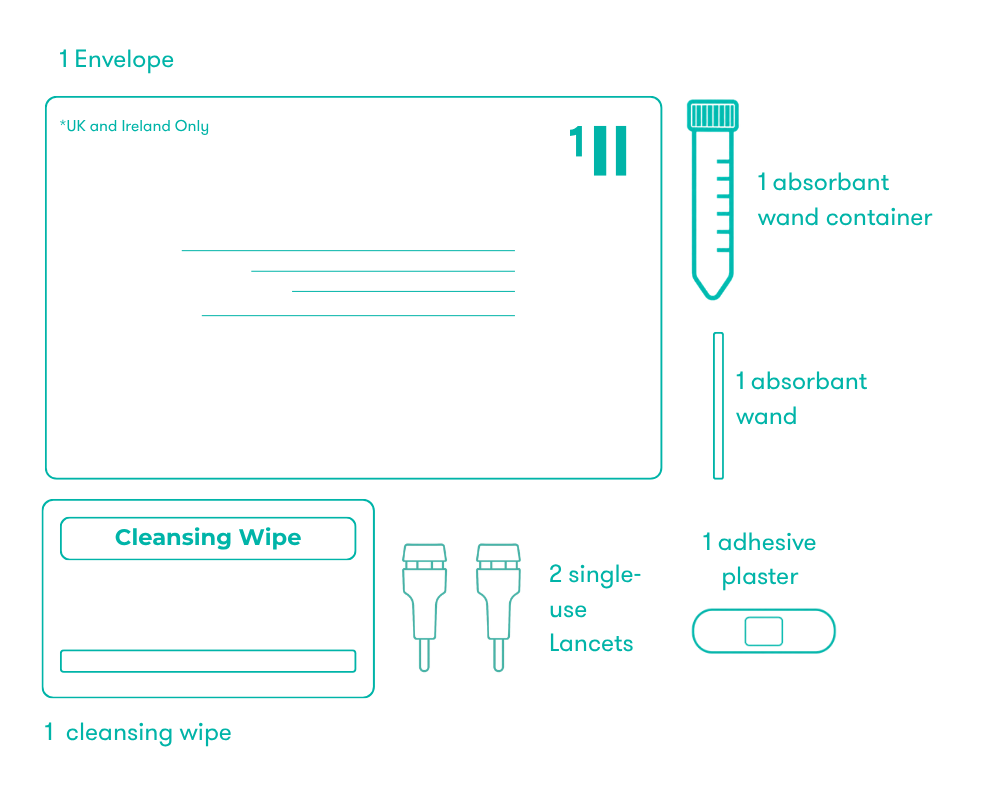
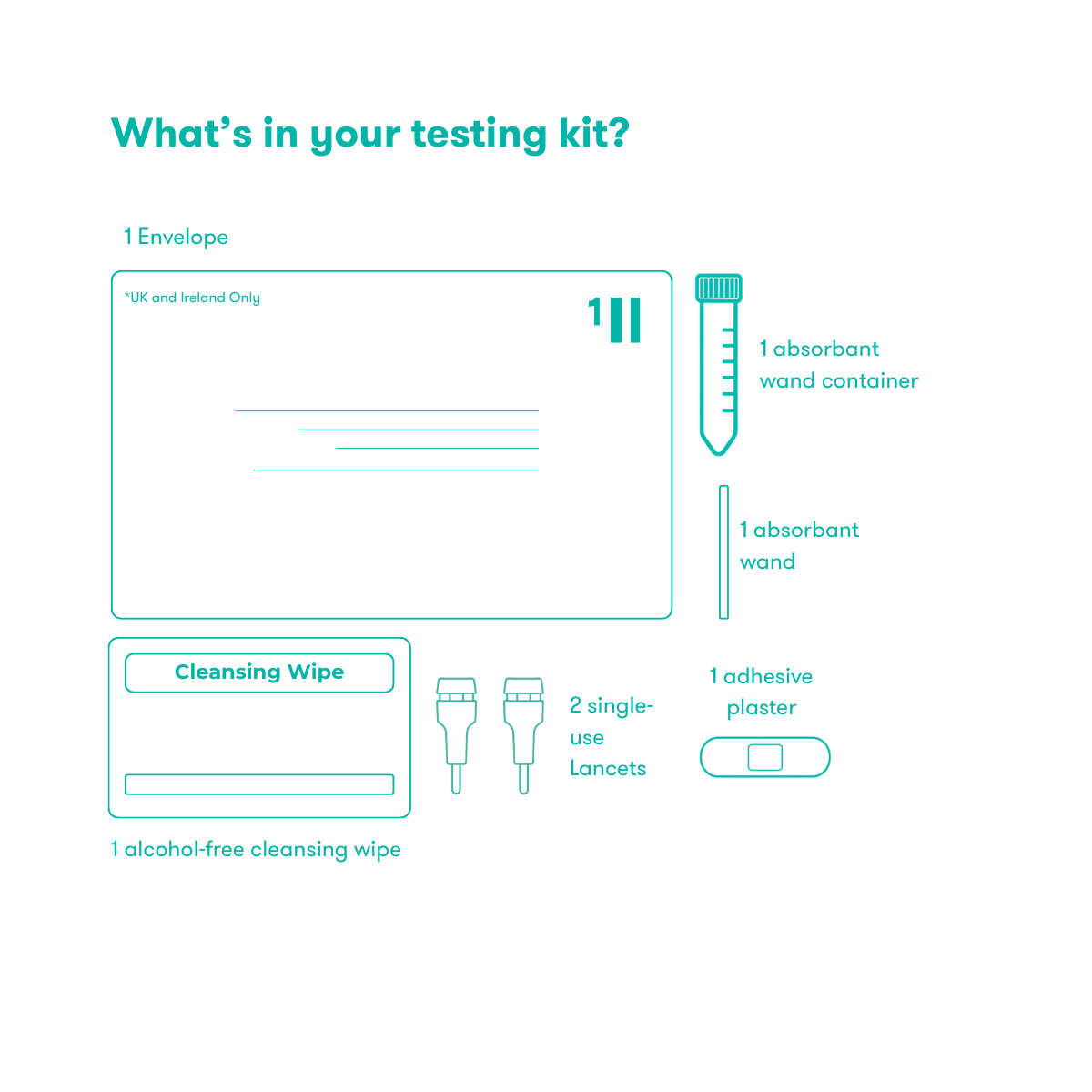
  • A prepaid return envelope (UK & Ireland only)
  • Two single-use lancets
  • One absorbent wand
  • One absorbent wand containers
  • One adhesive plaster
  • A cleansing wipe

What you will receive

Your easy-to-understand test results include:

Personalised Food Reactivity Report – View your antibody reactivity to over 200 food and drink ingredients, ranked from highest to lowest. Each ingredient includes your igG reactivity level and result value, making it easy for you and your Nutritional Therapist to identify High, Borderline and Normal reactions, helping you make informed dietary changes based on your personalised results.

Easy-to-Understand Traffic Light Results – Each ingredient is categorised as High (red), Borderline (yellow) or Normal reactivity (green), making your results simple to interpret.

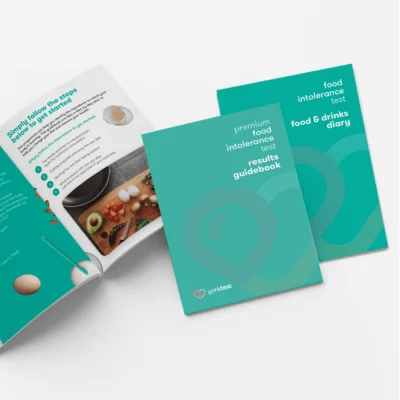
Practical Dietary Guidance – Receive clear, easy-to-understand information to help you understand your results, identify potential trigger foods and make informed dietary choices. You also receive a free Nutritional Support Guide with your test results, which helps further explain your results and guides you through the Food Elimination and Re-introduction Diet process, if appropriate.

Expert Nutritional Support – Access qualified nutritional therapist support to help you interpret your results and plan your next steps.

Secure Wellness Hub Access – Access your digital report online whenever you need it.

Lady holding a mobile phone looking at test results

What your results help with

Identifying potential trigger foods.

Discover foods and drinks that may be contributing to your symptoms, helping you make more informed dietary choices.

Understanding your antibody reactivity.

See your personalised IgG reactivity levels for over 200 food and drink ingredients using easy-to-understand traffic light categories.

Supporting dietary changes.

Use your results to make informed adjustments to your diet and help manage symptoms such as bloating, digestive discomfort and fatigue.

Making confident food choices.

Gain personalised insights to help you choose foods that better suit your individual needs and lifestyle.

Monitoring your progress.

Track how dietary changes affect your symptoms over time and support your long-term wellbeing.

Accessing expert guidance.

Receive personalised guidance from our qualified Nutritional Therapists to help you understand your results and plan your next steps.

Reducing the guesswork.

Take a more informed approach to your diet with personalised insights based on your individual results.

Supporting long-term wellbeing.

Use your results as part of a personalised approach to supporting your overall health and wellbeing.

1-1 Nutritional Therapist Support

Get even more from your results with expert support. Book a 30-minute consultation to speak with one of our qualified Nutritional Therapists. They’ll help you understand your report, explain what your results mean, identify potential trigger foods, and provide personalised dietary and lifestyle recommendations tailored to your symptoms, goals and individual needs.

A lady at a desk examining a tub of tablets surrounded by fruit

Frequently Asked Questions

If you’re experiencing symptoms such as bloating, stomach cramps, headaches, fatigue or digestive discomfort, a food intolerance test may help you better understand whether certain foods could be contributing to how you feel.
YorkTest’s Food Intolerance Tests analyse food-specific IgG antibody reactions to a wide range of food and drink ingredients. The results can help you identify potential dietary triggers and support a structured elimination approach where appropriate.

It’s important to remember that a food intolerance is different from a food allergy. Food allergies involve IgE antibodies and can cause immediate, potentially serious reactions, whereas food intolerances are typically associated with delayed symptoms that may develop several hours after eating.

Our Food Intolerance Tests are designed to be simple and convenient to complete from home.
After placing your order, we’ll send you an easy-to-use finger-prick blood collection kit with full instructions. Once you’ve collected your sample, simply return it to our UKAS-accredited laboratory using the prepaid packaging provided.

Your sample is analysed for food-specific IgG antibody reactions, and your results are then securely uploaded to your Wellness Hub. Depending on the test you’ve chosen, you’ll also have access to expert support from one of our Registered Nutritional Therapists to help you understand your results and make informed dietary changes.

YorkTest has been supporting customers for over 40 years and uses rigorous laboratory processes to ensure reliable and reproducible results.

Our Food Intolerance Tests analyse all four subclasses of food-specific IgG antibodies across up to 200 food and drink ingredients, depending on the test selected. Our laboratory testing has a reproducibility rate of over 98%, meaning repeat testing of the same sample produces highly consistent results.

Every sample is analysed in our UKAS-accredited laboratory using robust quality control procedures.

YorkTest’s Food Intolerance Tests analyse reactions to up to 200 food and drink ingredients, including everyday foods such as dairy, wheat, eggs and fish, as well as fruits, vegetables, herbs, spices, nuts and many other commonly consumed ingredients.

Because food intolerances are highly individual, the foods that trigger symptoms can vary significantly from person to person. Testing helps you understand your own responses rather than relying on general elimination diets or guesswork.

Food intolerances can contribute to a wide range of symptoms, which often vary between individuals.

Common symptoms may include:

  • Bloating
  • Excess wind
  • Stomach cramps
  • Digestive discomfort
  • Diarrhoea or constipation
  • Headaches
  • Fatigue
  • Low energy
  • Skin complaints, such as eczema

Because symptoms are often delayed, it can sometimes be difficult to identify which foods may be contributing to them. Food Intolerance Testing can help provide greater clarity alongside appropriate dietary advice.

Our Food Intolerance Tests are suitable for adults experiencing ongoing symptoms that they believe may be linked to certain foods.

YorkTest also offers selected Food Intolerance Tests for children and family testing options.

If you are pregnant, breastfeeding, currently receiving treatment for an eating disorder, or have significant or unexplained symptoms, we recommend speaking to your GP or another appropriately qualified healthcare professional before making significant dietary changes or taking a food intolerance test.

Although the terms are often confused in everyday conversation, food allergies and food intolerances are different conditions.

Food allergies involve the immune system and IgE antibodies. Reactions usually occur quickly and can sometimes be severe or life-threatening.

Food intolerances are different. YorkTest’s Food Intolerance Tests analyse food-specific IgG antibody reactions, which are associated with delayed responses that may develop several hours after eating.

If you experience symptoms such as difficulty breathing, swelling of the lips, tongue or throat, or signs of anaphylaxis, seek emergency medical attention immediately.

Yes. Food intolerances can develop at any stage of life, even if you’ve eaten a particular food for many years without any obvious problems.

Changes in diet, lifestyle, stress, digestive health and other factors may influence how your body responds to certain foods over time.

Because symptoms often develop gradually and may be delayed, many people don’t immediately recognise that particular foods could be contributing to how they feel.

Food intolerance symptoms can vary considerably between individuals.

Some people experience symptoms within a few hours of eating a trigger food, while others notice symptoms developing more gradually. The duration of symptoms will depend on several factors, including how much of the trigger food has been consumed and how frequently it’s eaten.

Identifying potential dietary triggers and following an appropriate elimination plan may help you better understand your body’s responses.

Yes. If possible, it’s generally recommended that you continue eating your normal diet before taking your Food Intolerance Test.

Regular exposure to foods helps ensure your IgG antibody profile reflects your usual diet. Removing foods before testing may affect your results.

If you’re unsure whether this applies to your circumstances, speak to our Customer Care Team before completing your test.

Your results are available through your secure Wellness Hub account and are designed to be easy to understand.

Your personalised report includes a colour-coded guide showing your IgG antibody reactions to each food tested, helping you identify which foods may require closer consideration as part of an elimination approach.

Depending on your chosen test, you’ll also have access to personalised nutritional guidance from one of our Registered Nutritional Therapists to help you put your results into practice safely and confidently.

Receiving your results is only the beginning of your journey.

Your personalised report is designed to help you better understand your body’s responses to different foods. Depending on the test you’ve selected, you’ll also have access to support from one of our Registered Nutritional Therapists, who can help you interpret your results, build a balanced elimination plan and ensure any dietary changes remain nutritionally appropriate.

With ongoing guidance and practical advice, you’ll have the support you need to make informed, sustainable changes with confidence.

The immune system of children under 2 years old is still developing, which means food-specific IgG antibody testing may not provide reliable results. In addition, removing foods from a young child’s diet without professional guidance could increase the risk of nutritional deficiencies. YorkTest can only accept samples from children under the age of 2 when accompanied by a referral letter from a GMC-registered Medical Practitioner or an HCPC-registered Dietitian. If you have concerns about your child’s symptoms, we recommend speaking to your healthcare professional before considering food intolerance testing.

If you have already eliminated foods because you know they trigger symptoms, YorkTest does not recommend reintroducing those foods simply to prepare for testing. Your health and wellbeing should always come first. If there are foods that you have only recently reduced or rarely eat, these may be less likely to produce detectable IgG antibodies. If you choose to include these foods before testing, they should typically be eaten regularly for around six weeks before taking your sample. This decision should only be made if you feel comfortable doing so. Before taking your test, it can also be helpful to make a note of your usual diet and any symptoms you experience. This information can support you when reviewing your results and making dietary changes.

Many customers choose to retest after following an elimination and reintroduction programme, particularly if their diet has changed significantly or they are experiencing new symptoms. As your immune response can change over time, YorkTest generally recommends considering a repeat Food Intolerance Test every 6 to 12 months if you wish to monitor your food-specific IgG antibody levels.

If you develop any new, severe or worsening symptoms, you should always seek advice from your GP or healthcare professional. Returning YorkTest customers can also benefit from exclusive discounts on future testing.

Although they can cause similar digestive symptoms, coeliac disease and gluten intolerance are different conditions. Coeliac disease is a lifelong autoimmune disease in which eating gluten causes damage to the lining of the small intestine. Diagnosis requires assessment by a healthcare professional, usually involving specific blood tests and, in many cases, an intestinal biopsy. YorkTest does not test for coeliac disease. The YorkTest Premium Food Intolerance Test measures IgG antibodies to gliadin, a component of gluten. Elevated IgG antibodies may indicate a food intolerance or sensitivity to gluten-containing foods, which is different from coeliac disease. For some people, symptoms associated with gluten intolerance may improve after following a carefully managed elimination and reintroduction programme. If you think you may have coeliac disease, you should speak to your GP before removing gluten from your diet, as eliminating gluten beforehand can affect the accuracy of diagnostic testing.

Yes. You can still take a YorkTest Food Intolerance Test if you are taking steroids, immunosuppressant medication or certain types of chemotherapy. However, these treatments can reduce your body’s production of antibodies, including IgG antibodies. This means your results may show lower antibody levels than they otherwise would. Despite this, any positive food reactions identified during testing may still provide valuable information. It is important to interpret your results in the context of your medication, and if you are unsure, we recommend discussing your results with your healthcare professional or one of YorkTest’s Nutritional Therapists. If you are currently undergoing chemotherapy or taking immunosuppressive medication and would like advice before ordering a test, our Customer Service Team will be happy to help.

Case Studies

“I'm more confident and a lot less stressed about my skin. especially my arm as that was very painful”

Claire Sampson

Symptoms Skin issues

Read More
Eczema testimonial before and after picture of a clients' lower arm

“My symptoms reduced almost immediately and then continuously got better, I couldn't believe it!”

Stephanie Eaton

Symptoms Bloating, brain fog, anxiety

Read More
Stephanie Eaton, yorktest client

“The things he was sensitive to are very, very common. However, the support you get from the phone call for nutritional support is very helpful”

Harrison

Symptoms Behavioural issues, tiredness

Read More
Sarah's little boy

“I feel less bloated, I have more energy and more clarity of the mind.”

Bianca Dodds

Symptoms Bloating, constipation, eczema and inflammation

Read More
bianca dodds york test case study

“Life has changed considerably for my husband and I. There is power in knowledge”

Kayleigh Henning

Symptoms Bloating, constipation, abdominal cramps

Read More
Kayleigh Henning

Why Choose Us

Our Heritage

We have 40 years of expertise in providing reliable and scientifically validated home-to-laboratory testing services.

Quality, accuracy & expertise

YorkTest’s products have a 98% reproducibility rate, meaning that two separate results of the same person’s sample will correlate with each other 98% of the time. All results are confidential and provided to you online via our wellness hub within 7 days.

Aftercare service & support

We offer nutritional support and aftercare from a team of qualified Nutritional Therapists.

In-house & UK based

Based in York, UK, we’re fully audited and operate in our certified, in-house laboratory. All our tests are compliant with the European Medical Device Directive 93/42/EEC (Article 12) and the European In Vitro Diagnostic Directive 98/79/EC.

You May Also Like

[]