Mustard Allergy: Symptoms, Hidden Sources & US Food Labels
- What Is a Mustard Allergy?
- What Are the Symptoms of Mustard Allergy?
- Is Mustard Allergy Common in the US?
- Where Can Mustard Be Hidden?
- Does Cooking Make Mustard Safe?
- Mustard Allergy and US Food Labeling Laws
- What About Mustard Allergy When Eating Out?
- What Is Mustard Weed Allergy?
- How Is Mustard Allergy Diagnosed?
- Managing an Allergy to Mustard
An allergy to mustard can cause symptoms ranging from itching and hives to a severe allergic reaction. Although mustard allergy is considered relatively uncommon, reactions can be serious and it is important for people with a diagnosed allergy to understand where mustard may be found.
Unlike in the UK, Canada and some other countries, mustard is not currently classified as one of the nine major food allergens under US federal law. This distinction can make understanding ingredient labels particularly important for Americans living with a mustard allergy.
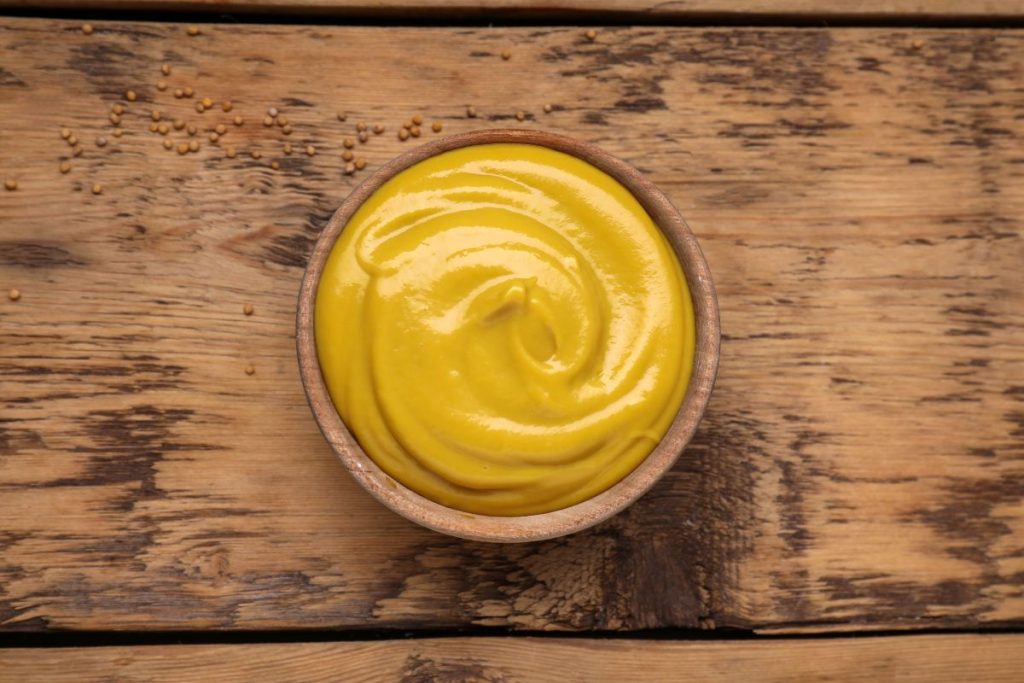
Mustard also isn’t limited to the familiar yellow condiment. Mustard seeds, mustard powder and other forms can appear in sauces, marinades, processed meats, spice blends and prepared foods.
What Is a Mustard Allergy?
A mustard allergy occurs when the immune system mistakenly identifies proteins in mustard as harmful. In response, the body releases chemicals such as histamine, causing the symptoms of an allergic reaction.
Mustard comes from plants in the Brassicaceae family. Varieties used as food include white or yellow mustard, brown mustard and black mustard. Mustard seeds can be used whole, crushed or ground into powder, while other parts of the plant may also be consumed.
Someone with a confirmed mustard allergy may therefore need to avoid mustard in its various forms, according to the advice provided by their healthcare professional.
Unlike a food intolerance, a food allergy involves the immune system. Food-allergy symptoms can develop within minutes to a few hours after eating the allergen.
What Are the Symptoms of Mustard Allergy?
Mustard allergy symptoms can vary considerably between individuals and reactions can range from mild to severe.
Mild or moderate symptoms may include:
- Itching or tingling in the mouth
- Redness of the skin
- Hives
- Swelling of the face, lips or eyes
- Nausea or vomiting
- Abdominal discomfort
A mustard allergy rash may appear as hives (urticaria), with raised, itchy welts developing on the skin.
More serious food-allergy reactions can develop into anaphylaxis, which is potentially life-threatening. Symptoms can include difficulty breathing, wheezing, swelling of the throat or tongue, dizziness or loss of consciousness. The FDA advises that food-allergy symptoms can differ between people and between individual reactions.
If someone is experiencing symptoms of anaphylaxis, administer epinephrine immediately if it has been prescribed and is available, and call 911 for emergency medical assistance.
Is Mustard Allergy Common in the US?
So, is mustard allergy common? There isn’t currently a reliable national prevalence figure showing exactly how many Americans have a mustard allergy.
Mustard is not among the nine foods currently designated as major food allergens under US federal law. Those nine foods account for the large majority of serious food-allergic reactions in the United States. However, this doesn’t mean that other foods cannot cause allergies or severe reactions. The FDA notes that more than 160 foods have been identified as causing allergic reactions in sensitive individuals.
Mustard allergy has received greater regulatory recognition elsewhere. For example, mustard is treated as a priority allergen in countries including Canada and across the European Union.
Regardless of how common an allergy is, anyone who has experienced a suspected allergic reaction should seek appropriate medical assessment.
Where Can Mustard Be Hidden?
Mustard is used in many more products than the yellow mustard commonly added to burgers and hot dogs.
Depending on the recipe and manufacturer, foods that may contain mustard include:
- Salad dressings and mayonnaise
- Barbecue sauces and other condiments
- Marinades
- Gravies
- Sausages, hot dogs and other processed meats
- Burgers and seasoned meat products
- Spice and seasoning blends
- Pickles and relishes
- Soups
- Prepared meals
- Dips and sauces
Mustard seeds, mustard powder and mustard oil can also feature in cuisines from around the world, including Indian, French and Middle Eastern dishes.
Recipes and manufacturing processes can change, so people with food allergies should check food labels each time they purchase a product rather than assuming something they’ve previously eaten is still suitable.
Does Cooking Make Mustard Safe?
No. Cooking shouldn’t be relied upon to make mustard safe for someone with a mustard allergy.
Some of the proteins associated with mustard allergy can remain allergenic after heating. As a result, mustard incorporated into cooked sauces, marinades, curries and other dishes may still cause an allergic reaction.
Someone with a diagnosed allergy should follow the avoidance advice provided by their allergist or other healthcare professional rather than assuming that cooked mustard is safe.
Mustard Allergy and US Food Labeling Laws
This is one of the most important differences for Americans with a mustard allergy.
Under the Food Allergen Labeling and Consumer Protection Act (FALCPA) and subsequent FASTER Act, the United States recognizes nine major food allergens:
Sesame became the ninth major allergen on January 1, 2023. Mustard is not currently included on this list.
For the nine major allergens, federal rules require their food sources to be clearly identified when they are ingredients in FDA-regulated packaged foods. They may be identified within the ingredient list or in a separate “Contains†statement.
What About Mustard Allergy When Eating Out?
Eating at restaurants can require additional planning because dishes may contain mustard in dressings, sauces, marinades, seasoning mixes and other components that aren’t obvious from a menu description.
Tell restaurant staff clearly that you have a mustard allergy, rather than simply asking for a meal “without mustard.†Ask whether mustard, mustard powder, mustard seed or mustard-containing sauces are used in the dish and whether the restaurant can safely accommodate your allergy.
People at risk of severe reactions should follow the emergency plan provided by their healthcare professional and carry prescribed epinephrine.
What Is Mustard Weed Allergy?
A mustard weed allergy may be referring to reactions involving mustard plants or to cross-reactivity involving pollen and mustard.
One recognized phenomenon is mugwort-mustard allergy syndrome. Mugwort is a weed whose pollen can trigger seasonal allergic symptoms. Because some plant proteins can be structurally similar, people sensitized to mugwort pollen may sometimes experience cross-reactive reactions to mustard and certain other plant foods.
However, having a pollen allergy doesn’t automatically mean you will be allergic to mustard. Anyone experiencing symptoms after eating mustard should discuss them with an appropriate healthcare professional rather than assuming they are caused by pollen cross-reactivity.
How Is Mustard Allergy Diagnosed?
If you think you’ve experienced an allergic reaction to mustard, speak to your doctor or a board-certified allergist.
Diagnosis typically begins with a detailed medical history, including which foods you ate, how quickly symptoms appeared and what symptoms occurred.
Depending on your circumstances, an allergist may use tests such as a skin prick test or specific IgE blood test. In some situations, a medically supervised oral food challenge may be considered.
Test results need to be interpreted alongside your clinical history. A positive sensitization test alone doesn’t necessarily mean that eating the food will cause an allergic reaction.
Managing an Allergy to Mustard
Once a mustard allergy has been diagnosed, management generally involves avoiding mustard and products that contain it.
This can require more attention in the United States because mustard isn’t one of the nine major allergens covered by federal allergen-labeling requirements.
Read ingredient lists carefully, be cautious around broad terms such as “spices†or “flavors,†communicate your allergy clearly when dining out and contact manufacturers when you’re uncertain about a product’s ingredients. If you’ve been prescribed epinephrine, carry it with you and follow the emergency action plan provided by your healthcare professional.