Birch Pollen Allergy: Symptoms, Triggers & Foods to Avoid
- What Is a Birch Pollen Allergy?
- Birch Pollen Allergy Symptoms
- Birch Pollen Allergy and Asthma
- Birch Pollen Allergy Foods: Why Some Foods Trigger Symptoms
- Birch Pollen Allergy Foods to Avoid
- Fruits
- Vegetables
- Nuts and Seeds
- Are Cooked Foods Safe?
- How To Manage Birch Pollen Allergy Triggers
- Monitor Pollen Counts
- Reduce Outdoor Exposure
- Wash Away Pollen
- Medication Options
- When Should You Seek Professional Advice?
If you find yourself sneezing through spring, battling itchy eyes, or reacting strangely to certain fruits and nuts, a birch pollen allergy could be playing a role.
Birch pollen allergies are among the most common seasonal allergies, typically appearing during springtime when pollen counts rise. While symptoms often resemble hay fever, some people experience an additional complication known as Oral Allergy Syndrome (OAS), where certain raw foods trigger itching or tingling in the mouth and throat.
Understanding your symptoms, triggers, and potential food cross-reactions can help you feel more in control during birch pollen season, and get you looking forward to spring instead of dreading it.
What Is a Birch Pollen Allergy?
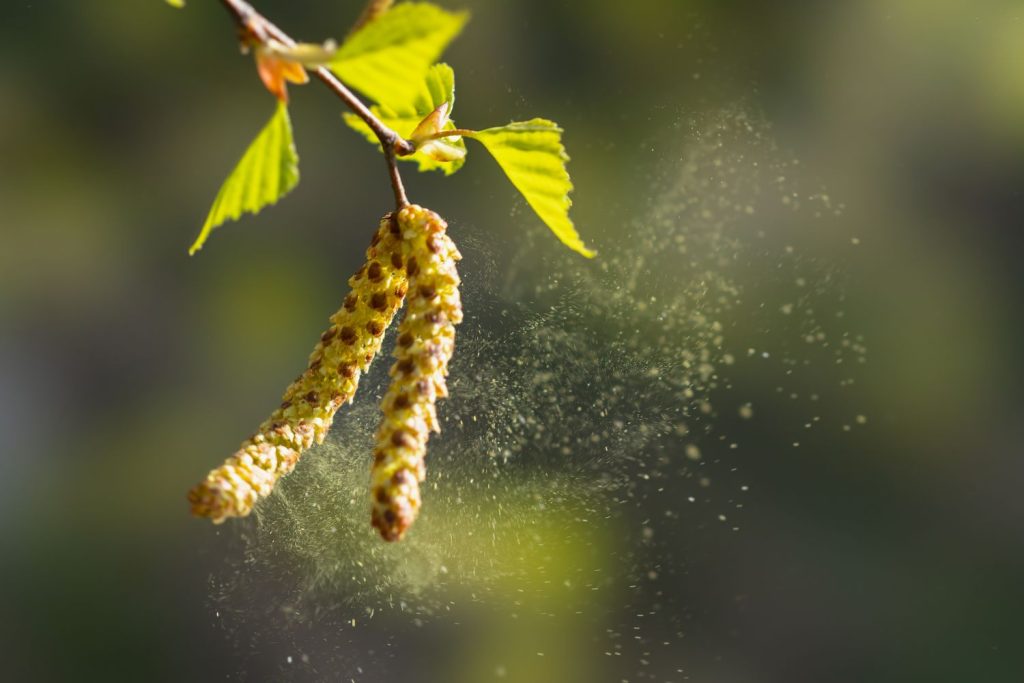
A birch tree pollen allergy is a seasonal allergic reaction caused by exposure to pollen released by birch trees. During the spring months – usually between March and May in the US – birch trees release fine pollen particles into the air.
If you’re allergic to birch, your immune system mistakenly identifies this harmless pollen as a threat. In response, your body releases chemicals such as histamine, leading to allergy symptoms.
Birch trees are widespread across North America and Europe, which makes birch tree allergies relatively common. Symptoms often intensify on dry, windy days when pollen levels are highest.
Birch Pollen Allergy Symptoms
Birch pollen allergy symptoms can vary from person to person, but they commonly resemble seasonal hay fever.
Typical symptoms include:
- Sneezing
- Runny or blocked nose
- Itchy nose or throat
- Watery, red, or irritated eyes
- Coughing
- Postnasal drip
- Fatigue or feeling “foggy†during peak pollen season
For some people, symptoms are mild and manageable. For others, exposure can significantly affect sleep, concentration, exercise, and everyday comfort. This can make day-to-day life harder than it needs to be.
Birch Pollen Allergy and Asthma
In people with asthma, birch allergy symptoms may extend beyond the nose and eyes.
Exposure to birch pollen can sometimes trigger wheezing, chest tightness, shortness of breath and increased asthma flare-ups.
If you notice breathing difficulties during spring, it’s important to seek medical advice, particularly if symptoms are worsening or difficult to control.
Birch Pollen Allergy Foods: Why Some Foods Trigger Symptoms
One of the lesser-known aspects of birch pollen allergies is their link to certain foods.
Some people with a birch pollen allergy notice they develop an itchy mouth, tingling lips, or throat discomfort after eating particular raw fruits, vegetables, or nuts. This is known as Oral Allergy Syndrome (OAS) or Pollen Food Syndrome.
But why does it happen?
The answer lies in a process called cross-reactivity.
Proteins found in birch pollen share structural similarities with proteins naturally present in some plant-based foods. Your immune system can mistake these food proteins for birch pollen proteins, triggering an allergic response.
This condition is sometimes referred to as birch tree oral allergy syndrome.
Symptoms of OAS are typically mild and may include:
- Itchy mouth
- Tingling lips or tongue
- Scratchy throat
- Mild swelling of the lips, mouth, or throat
Symptoms usually occur shortly after eating the trigger food and often settle quickly.
Birch Pollen Allergy Foods to Avoid
If you have a birch pollen allergy, you may react to certain foods — particularly when eaten raw or uncooked.
Common birch pollen allergy foods to avoid include:
Fruits
Several fruits are frequently linked to birch pollen cross-reactivity, including:
- Apples
- Pears
- Peaches
- Plums
- Cherries
- Apricots
- Kiwi
Raw apples are one of the most commonly reported triggers among people with birch pollen allergies.
Vegetables
Certain vegetables may also cause reactions, especially when eaten uncooked.
These can include:
- Carrots
- Celery
- Fennel
- Raw potatoes
Some people tolerate these foods perfectly well when cooked but experience symptoms when they’re raw.
Nuts and Seeds
Several nuts are associated with birch pollen cross-reactivity, including:
- Hazelnuts
- Almonds
- Walnuts
- Peanuts
It’s important to note that a true nut allergy differs from Oral Allergy Syndrome. If you experience significant swelling, breathing difficulty, or severe reactions after eating nuts, seek medical advice urgently.
If you’ve previously had a food allergy or food sensitivity test and some of these foods have appeared in your results, it may help explain why you’ve noticed food-related symptoms during the birch pollen season. However, this doesn’t necessarily mean you need to avoid every food on the list. Many people with a birch pollen allergy only react to one or two foods, while others experience no food reactions at all. Likewise, if you suspect you have a birch pollen allergy but haven’t had any testing, you shouldn’t eliminate foods unnecessarily unless they are consistently triggering symptoms. If you’re unsure which foods may be affecting you, speak to a healthcare professional or Registered Nutritional Therapist before making significant changes to your diet.
Are Cooked Foods Safe?
The good news is that many people with birch pollen allergy sensitivities can still enjoy these foods in cooked, baked, or processed forms.
Heat changes the structure of many allergenic proteins, meaning the immune system may no longer recognise them in the same way.
For example, someone who reacts to a raw apple may tolerate:
- Apple pie
- Stewed apples
- Cooked fruit dishes
- Canned fruit products
Another interesting pattern is seasonality.
Some people only experience food reactions during peak birch pollen season when pollen exposure – and immune system sensitivity – is at its highest.
Keeping a symptom diary may help you identify whether reactions worsen during the spring months.
How To Manage Birch Pollen Allergy Triggers
Managing a birch pollen allergy often involves reducing exposure and controlling symptoms during high pollen periods.
Practical strategies include:
Monitor Pollen Counts
Checking local pollen forecasts can help you plan ahead. Pollen levels are often highest in the early morning and early evening.
If counts are particularly high, limiting outdoor activity may help reduce exposure.
Reduce Outdoor Exposure
Simple protective measures can make a difference, such as:
- Wearing wraparound sunglasses outdoors
- Using a wide-brimmed hat
- Keeping windows closed during peak pollen days
- Drying clothes indoors during high pollen periods
Wash Away Pollen
Pollen can cling to hair, skin, and clothing.
After spending time outside, try to:
- Shower
- Wash your hair
- Change clothes
- Rinse your face and eyes
These small habits can help minimize ongoing exposure inside the home. It’s also worth being aware that pollen can cling to clothing and pet fur, meaning it may continue to be brought indoors during the birch pollen season.
Medication Options
Over-the-counter treatments are commonly used to manage symptoms and are actually quite common.
Depending on your symptoms, options may include:
- Antihistamines
- Nasal steroid sprays
- Allergy eye drops
Always follow the instructions provided with your medication. If you’re unsure which treatment is most appropriate for your symptoms, or if your symptoms are persistent or becoming more severe, speak to your GP or pharmacist for advice.
When Should You Seek Professional Advice?
If you suspect you have a birch tree pollen allergy, Oral Allergy Syndrome (OAS), or seasonal symptoms that are affecting your daily life, it’s worth speaking to a healthcare professional, such as your GP or pharmacist.
You should seek advice if:
- Symptoms are becoming more severe
- You experience breathing difficulties
- Food reactions are worsening
- You’re unsure which triggers are responsible
Getting clarity around your symptoms can help you better understand your triggers and take steps towards managing them more confidently.
Spring allergies can be frustrating, disruptive, and surprisingly complex – especially when food reactions become part of the picture. Understanding the connection between birch pollen allergy symptoms, environmental exposure, and food cross-reactivity is often the first step towards feeling more in control.
If you’re struggling with seasonal allergy symptoms and suspect that certain foods may also be contributing to your reactions, gaining a clearer understanding of your body’s responses can be an important next step.
YorkTest’s Home Allergy Test can help identify IgE-mediated reactions to a range of common environmental and food allergens, helping you better understand your potential triggers. Combined with expert guidance and support, you’ll have the information you need to make more informed decisions about managing your symptoms with confidence. Explore our Home Allergy Test today and take the first step towards understanding what’s behind your symptoms.