Rice: Healthy or Not?
- Is Rice Healthy?
- Is Brown Rice Healthy?
- Is White Rice Healthy?
- Is Chicken and Rice Healthy?
- Is Egg Fried Rice Healthy?
- Is Basmati, Jasmine, or Black Rice Healthy?
- Is Rice Pudding Healthy?
- Is Microwave Rice Healthy?
- Making Rice Healthier
- Rice and Food Intolerances
- In Summary: Is Rice Healthy or Not?
- Optimise Your Diet With YorkTest
Rice is one of the most widely eaten foods in the world. From comforting bowls of chicken and rice to sushi, stir-fries, rice pudding, and quick microwave packs, it’s a staple in countless cuisines and households.
But despite its popularity, rice often sparks debate when it comes to health. Some people view it as a clean, energising carbohydrate, while others see it as a refined food that spikes blood sugar and offers little nutritional value.
So, is rice healthy or not?
The answer, as with many foods, depends on the type of rice you choose, how it’s prepared, and how it fits into your overall diet. In this guide, we’ll break down the nutritional value of rice, compare different varieties, explore common rice-based meals, and share practical tips for making rice healthier.
Is Rice Healthy?
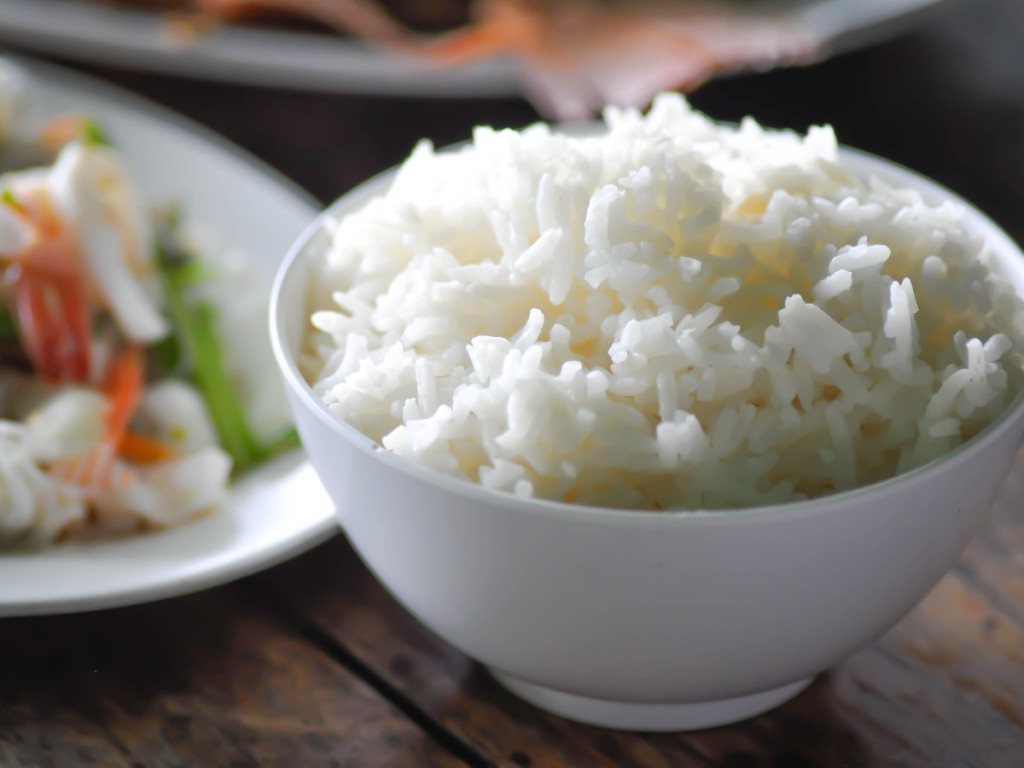
Rice itself isn’t unhealthy. It’s a naturally gluten-free grain and a source of carbohydrates, which your body relies on for energy. However, different types of rice are processed in different ways, which affects their fibre content, digestion speed, and impact on blood sugar.
Wholegrain rice varieties tend to retain more nutrients and fibre, while refined white rice is digested more quickly. Portion size and food pairing also play a big role. Rice eaten with protein, fats, and vegetables behaves very differently in the body than rice eaten on its own.
Is Brown Rice Healthy?
Brown rice is often considered the healthiest option, and for good reason. Because it retains its bran and germ layers, brown rice is a whole grain and contains more fibre, magnesium, phosphorus, and B vitamins than white rice.
This higher fibre content helps slow digestion, supporting steadier blood sugar levels and helping you feel fuller for longer. For many people, brown rice supports gut health and provides more sustained energy.
That said, brown rice isn’t ideal for everyone. Some people find it harder to digest and may experience bloating or discomfort, highlighting the importance of personal tolerance.
Is White Rice Healthy?
White rice has had the bran and germ removed, giving it a softer texture and longer shelf life but reducing its fibre and micronutrient content. Because it’s digested more quickly, white rice can lead to sharper blood sugar spikes, particularly when eaten in large portions or without other foods.
However, white rice isn’t inherently “badâ€. It can be a useful option for people with sensitive digestion, athletes needing fast energy, or those recovering from illness. Pairing white rice with protein, healthy fats, and vegetables helps balance its effects and improves overall nutritional value.
Is Chicken and Rice Healthy?
Chicken and rice can be a very balanced meal when prepared thoughtfully. Lean chicken, moderate portions of rice, plenty of vegetables, and minimal added oil or sauces can create a nutritious dish that supports muscle repair and energy levels.
Less healthy versions often include large portions of refined white rice, high sodium levels, and processed sauces. As with many meals, the ingredients and cooking method make all the difference.
Is Egg Fried Rice Healthy?
Egg fried rice can be nutritious, but it’s easy for calories and fat to build up. Homemade versions using minimal oil, eggs for protein, and vegetables like peas, carrots, or spring onions are far healthier than takeaway versions.
Using brown or basmati rice and limiting high-sodium sauces helps keep the dish balanced while still satisfying.
Is Basmati, Jasmine, or Black Rice Healthy?
Different rice varieties offer slightly different nutritional benefits, particularly when it comes to fibre content and blood sugar impact.
- Basmati rice
Often considered one of the healthier white rice options. It typically has a lower glycaemic index than standard white rice, meaning it causes a slower rise in blood sugar. Wholegrain basmati also provides added fibre. - Jasmine rice
More aromatic but generally higher on the glycaemic index. It’s best enjoyed in moderate portions and as part of balanced meals. Brown jasmine rice is a better option if you’re looking for extra fibre. - Black rice (forbidden rice)
One of the most nutrient-dense rice varieties. It contains antioxidants known as anthocyanins, along with fibre and iron. These compounds are linked to reduced inflammation and improved heart health, making black rice a strong nutritional choice.
Is Rice Pudding Healthy?
Rice pudding is best thought of as an occasional treat rather than an everyday staple. Traditional versions are often high in added sugar and made with full-fat milk, which can significantly increase calorie and saturated fat content.
That said, rice pudding can be made lighter with a few simple swaps. Using unsweetened dairy or plant-based milk, reducing added sugar, and flavouring with cinnamon, vanilla, or fruit can improve its nutritional profile. Keeping portion sizes modest also helps keep it in balance.
Is Microwave Rice Healthy?
Microwave rice is convenient, but its healthiness depends largely on the ingredients used. Plain microwave rice can be a practical option and nutritionally similar to cooked rice at home.
However, flavoured varieties often contain added salt, oils, and preservatives, making them closer to ultra-processed foods. Choosing plain versions and adding your own vegetables, protein, and seasoning gives you far more control over nutrition while keeping the convenience factor.
Making Rice Healthier
Small adjustments can significantly improve the nutritional value of rice-based meals. Choosing wholegrain varieties when possible, keeping portions moderate, and pairing rice with protein, fibre, and healthy fats all help create a better balance.
Cooling cooked rice before reheating may also increase resistant starch, which can support gut health. Adding vegetables boosts volume and nutrients without dramatically increasing calories.
Rice and Food Intolerances
Rice is generally well tolerated, but some people experience bloating, fatigue, or digestive discomfort after eating it. This can be influenced by portion size, individual carbohydrate sensitivity, or additives found in processed rice products.
In many cases, symptoms may be caused by foods eaten alongside rice rather than the rice itself, which can make identifying triggers difficult without structured insight.
In Summary: Is Rice Healthy or Not?
Rice isn’t unhealthy by default. Its impact on your health depends on the type of rice you choose, how it’s prepared, your portion sizes, and how your body responds.
Wholegrain options like brown and black rice offer more fibre and nutrients, while white rice can still have a place when eaten mindfully. The key is balance, variety, and listening to your body.
Optimise Your Diet With YorkTest
If rice-based meals regularly leave you feeling bloated, tired, or uncomfortable, it may be worth exploring whether food intolerance could be playing a role.
YorkTest’s at-home Food Intolerance Tests analyse your body’s IgG antibody responses to over 200 foods, including rice, helping you understand which ingredients may be contributing to symptoms. With laboratory-analysed results, expert nutritional guidance, and over 40 years of experience, YorkTest helps you make confident dietary choices that support long-term wellbeing.
Discover how food affects your body – and enjoy meals like rice with clarity and confidence.