











Feel Good FactorsCreated on 22 February 2011 by

If there is one thing that is emerging in modern-day understanding of psychological
health it is the link between our thoughts, feelings and physical sensations and
our body’s biochemistry. What we think changes how we feel, and vice versa. Feelings
are accompanied by physical sensations. But all of these are associated with corresponding
changes in our internal biochemistry. Biochemical changes affect how we feel and
think. Knowing this, the obvious deficits of conventional psychiatry are that
a) most diagnoses are only based on the results of questionnaires about psychological
symptoms, and b) most treatments are based on giving chemical drugs (hopefully
alongside some psychotherapy). This approach doesn’t take into account the biochemical
side of the equation where making dietary changes, a more effective, less expensive
and less invasive approach, can pave the way to feeling good while avoiding the
use of man-made drugs with their often worrying side effects. Sounds good doesn’t
it?
When you feel exhausted, depressed, stressed or anxious, the chances are you
wouldn’t consider that your digestive system, or a food you’ve eaten, could have
anything to do with it. But the gut and our emotions are linked. In the same way
that nervousness can upset the tummy, so foods that don’t “agree with us” can
upset our mind. Most strong emotional feelings are felt physically somewhere along
the digestive tract. We feel them in our gut and often experience them affecting
our appetite and our ability to digest properly. The digestive system acts like
a second “brain” producing factors that literally “cross-talk” with the brain.
Your second “brain” reacts every time you eat a piece of food. The gut lining,
which makes up a surface area about the size of a tennis court and the thickness
of half of a sheet of paper, is the interface between you and your food, and is
programmed to react against anything eaten just in case it is foe.
Most people don’t think of food allergies and food intolerance as having the
potential to affect mood and behaviour. Yet it has been known for a very long
time that reactions to foods can cause chronic fatigue, tiredness, low mood, poor
concentration, anxiety, hyperactivity, panic attacks and lack of motivation in
susceptible individuals. Ninety-nine percent of the time, the job of a healthy
immune system – which is more active in the gut than anywhere else – is to switch
off that reaction so you can enjoy the food you’re eating without your body fighting
it. In one survey of over 5000 people* who had taken the YorkTest FoodScan Programme
and avoided their suspect foods, more than three out of four reported a noticeable
improvement in their symptoms. For those with psychological symptoms the improvement
rate was 81% and for those specifically with depression it was a staggering 92%.
For those with panic attacks all 15 sufferers benefitted from the dietary changes,
and of the 436 participants in the study suffering from fatigue, energy levels
improved noticeably in 87% of them. On reintroduction of the offending foods 92%
got a return of symptoms.
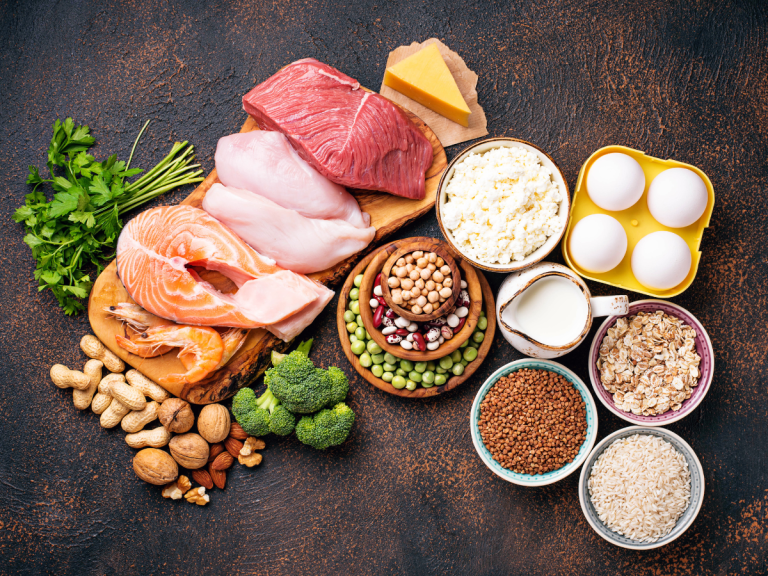
There are many factors that can contribute to our feelings of wellbeing, but
we shouldn’t underestimate the value of healthy eating. Deficiencies in essential
fatty acids, vitamins, minerals and amino acids have all been implicated in depression.
With Nutritionist support to optimise your diet and mange any food reactions,
you too can pave the way to better health.
YorkTest will have a stand at the “The Feel Good Factor” seminars at venues across
the UK and Ireland during March. To find out more visit
www.patrickholford.com.
* Survey commissioned by Allergy UK and further analysed by the University of
York: Originally published as Hardman, G. and Hart, G. “Dietary advice based on
food-specific IgG results”. Nutrition and Food Science (2007) 37, 16-23.