What’s The Difference Between Wheat Intolerance And Coeliac Disease?
Coeliac disease, classed as an autoimmune disease, is a lifelong intolerance in which the body’s immune system actively attacks its own tissues when gluten is consumed. According to Coeliac UK, the condition affects 1 in 100 people. It’s important to note that coeliac disease is neither a food allergy nor a food intolerance.
People suffering from a wheat intolerance have difficulty digesting wheat, which leads to unpleasant but non-life-threatening side effects.
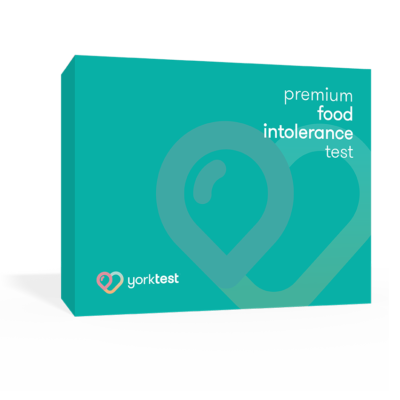
If you feel that you might have coeliac disease, it’s important to discuss your concerns with your GP, who can take a simple blood test to check for antibodies which can indicate coeliac disease. Our Premium Food Intolerance Test includes a wheat intolerance test but YorkTest does not test for coeliac disease.
Wheat Intolerance Test
It is possible to outgrow a wheat intolerance by eliminating it from your diet and reintroducing it later in life. Our Premium Food Intolerance Test includes a conultation with a qualified Nutritional Therapist.
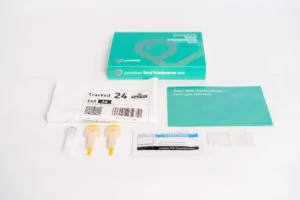
Step one – Take a Premium Food Intolerance Test with YorkTest, which includes a wheat intolerance test. As well as being a wheat intolerance test, we also test over 200 food and drink ingredients to indentify what you may be intolerant to. We’ve found that on average people show an intolerance* to between 2 and 8 food or drink ingredients. You should therefore be aware that wheat may be just one of your “trigger foods”.
Step two – With the help of a YorkTest nutritional therapist, carry out a 12-week elimination diet by cutting out your food intolerances* and substituting healthy alternatives into your diet.
Step three – If you wish to reintroduce your trigger food(s) back into your diet, we advise that this should be a gradual process in order to monitor how your body responds and to look out for a return of any wheat intolerance symptoms.