
- What is Irritable Bowel Syndrome (IBS)?
- Signs and symptoms of an IBS Attack?
- What Does an IBS Attack Feel Like?
- How Long Do IBS Attack Last?
- What Causes IBS Flare-Ups?
- What Foods Trigger IBS Attacks?
- Irritable Bowel Syndrome (IBS)Trigger Foods
- What to Eat With IBS Attack?
- Elimination Diet for IBS
- How To Test For Irritable Bowel Syndrome (IBS)?
- How To Treat IBS?
- YorkTest Premium Food Intolerance Test
- Treating IBS Symptoms with Medication
- Take Action Against Your Irritable Bowel Syndrome Symptoms
- Citations
Irritable Bowel Syndrome (IBS) is a highly prevalent gut disorder that affects between 12-30% of the population worldwide. In the UK, rates of IBS are shown to be even higher1 than most other countries, affecting approximately 20% of the population and with rates slightly higher in women 2.
Managing symptoms of IBS requires a grasp on what food products trigger IBS attacks and how to be acutely aware of one’s diet. Mental health factors have also been shown to be involved in IBS. Beyond getting a grasp on one’s diet and mental health, there are also treatments and medications that can help with IBS symptoms.
In this article, we take a look at the bigger picture behind Irritable Bowel Syndrome, including what types of foods and symptoms to keep top of mind. We also discuss what your options are for testing and how to be better equipped to manage and treat your IBS.
What is Irritable Bowel Syndrome (IBS)?
IBS is characterized by a range of common involving the gastrointestinal system, particularly the large intestine of the digestive tract. Despite being a common disorder, IBS is still not well understood. Diagnosing IBS is generalised when individuals experience persistent discomfort, inconvenience, and pain that cannot be explained by any underlying disease or condition.
IBS symptoms can manifest as stomach cramps , abdominal pains, excessive bloating, uncomfortable bowel movements, and a host of other issues involving digestion and defecation. Currently, there is no exact cause or cure for IBS, and conventional treatment of the condition primarily focuses on symptom relief.
However, studies have shown that IBS is linked to food and gut hypersensitivities that can be addressed through dietary changes. Similarly, IBS can also be a symptom of food intolerance,†underscoring the importance of testing and knowing which food products cause flare-ups.
Signs and symptoms of an IBS Attack?
As one of the most common gastrointestinal disorders, approximately 1 in 6 people experience symptoms of IBS. While it can develop at any age, symptoms of irritable bowel syndrome are typically most prevalent between the ages of 15 and 40. When the symptoms of IBS grow in intensity, it’s known as an “attack” or “flare-up.”
What Does an IBS Attack Feel Like?
The signs and symptoms of IBS vary, flare ups typically involve one or a combination of the following conditions.
- Abdominal pain – usually occurring in the lower abdomen but can affect the entire abdomen
- Frequent bloating
- Sharp cramping
- Diarrhoea
- Chronic Constipation
- Bowel movements changes
- Excess gas
- Nausea
- Stomach gurgles, particularly at night or after meals
The intensity and frequency of IBS pain and discomfort can differ between individuals, and for the individual themselves. Its effects can vary from minor discomfort to severe pain, which in turn can have a negative impact on one’s quality of life.
How Long Do IBS Attack Last?
Although IBS flare-ups can last mere minutes, they can sometimes persist for hours, days, or even weeks at a time. Most people who experience an IBS attack will feel symptoms for as long as 2-4 days, with the severity of the discomfort occurring shortly after consuming certain trigger foods. Chronic irritable bowel syndrome symptoms will last for much longer, often showing persisting symptoms for many months.
What Causes IBS Flare-Ups?
People with IBS can be at their worst after eating certain foods that cause digestive distress (which can typically be characterized as food intolerance or sensitivity). In addition to diet, psychological factors like stress, anxiety, and depression3 have also been shown to play a role in contributing to IBS problems.
What Foods Trigger IBS Attacks?
Diet and lifestyle are two of the most common triggers that can exacerbate the symptoms of an IBS attack. In fact, it is thought that two-thirds of people suffering from IBS actively avoid specific food products to minimize flare-ups. Not only is this a testament to the individualized nature of IBS flare-ups, but it also underscores the importance of monitoring the foods you eat and which of those foods might be directly causing your IBS symptoms.
Irritable Bowel Syndrome (IBS)Trigger Foods
There’s no disputing the role of diet, as there are many common foods that frequently trigger symptoms of IBS attacks. Among the biggest category of culprits are FODMAPs (Fermentable Oligosaccharides, Disaccharides, Monosaccharides, and Polyols).
FODMAPs are carbohydrates and sugars that are not easily broken down and absorbed by the small intestine. In turn, undigested FODMAP foods act like a sponge by drawing water into the gut and trapping it there, along with bacteria that can cause gas, bloating, stomach pain, diarrhea, and/or constipation – all of the classic IBS symptoms.
FODMAPs can range from certain fruits, vegetables, legumes to cereals, grains, and bread. More specific examples of IBS trigger foods to be mindful about eating include:
- Garlic, onions, chives, and leeks are often must-avoid vegetables in the allium family that can influence food-specific IgG and IBS symptoms.
- Certain fruits, like apples, apricots, mango, cherries, pears, prunes, raisins, and other high-fructose foods.
- Wheat gluten, including rye and barley in large amounts. Be conscious about forms of pasta, pastries, bread, biscuits, and cakes.
- Dairy products, like milk, buttermilk, cream, custard, ice cream, yoghurt, and other lactose-derived foods.
- Legumes, particularly baked beans, kidney beans, borlotti beans, chickpeas, and lentils.
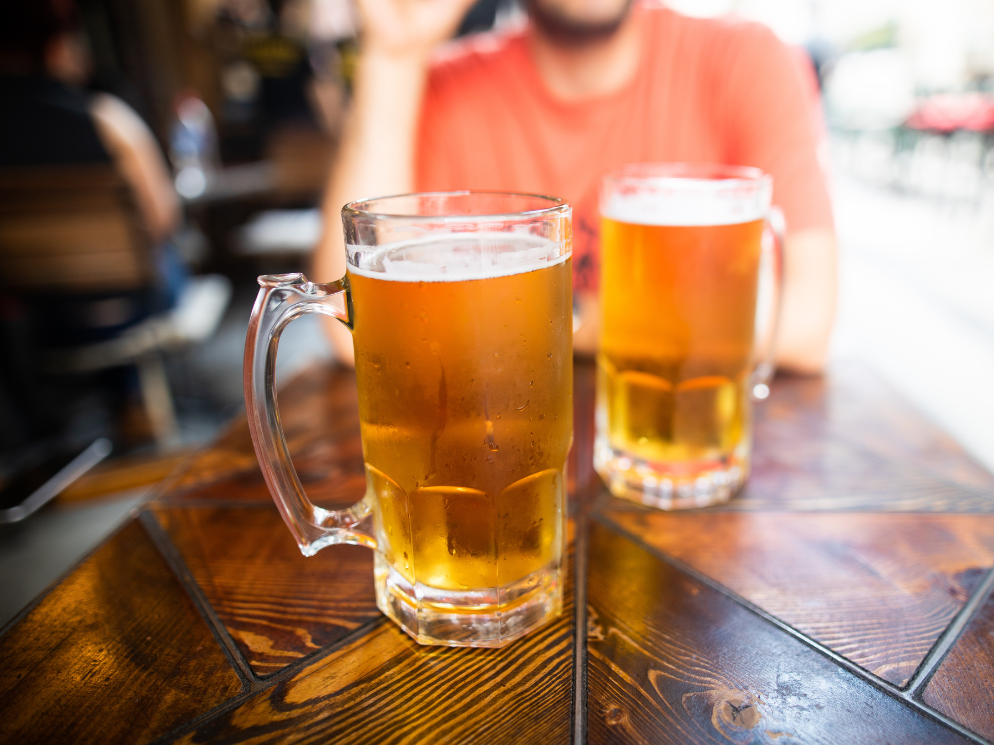
- Wine, beer, sodas, caffeinated drinks, certain fruit juices, and fermented beverages.
Even certain types of condiments, dips, spreads, and sweeteners can contain ingredients that trigger an IBS attack. Not all of these foods fall into the category of FODMAPs. When experiencing persisting symptoms, it’s crucial to document your diet to know which types of foods are causing problems and which should be avoided.
What to Eat With IBS Attack?
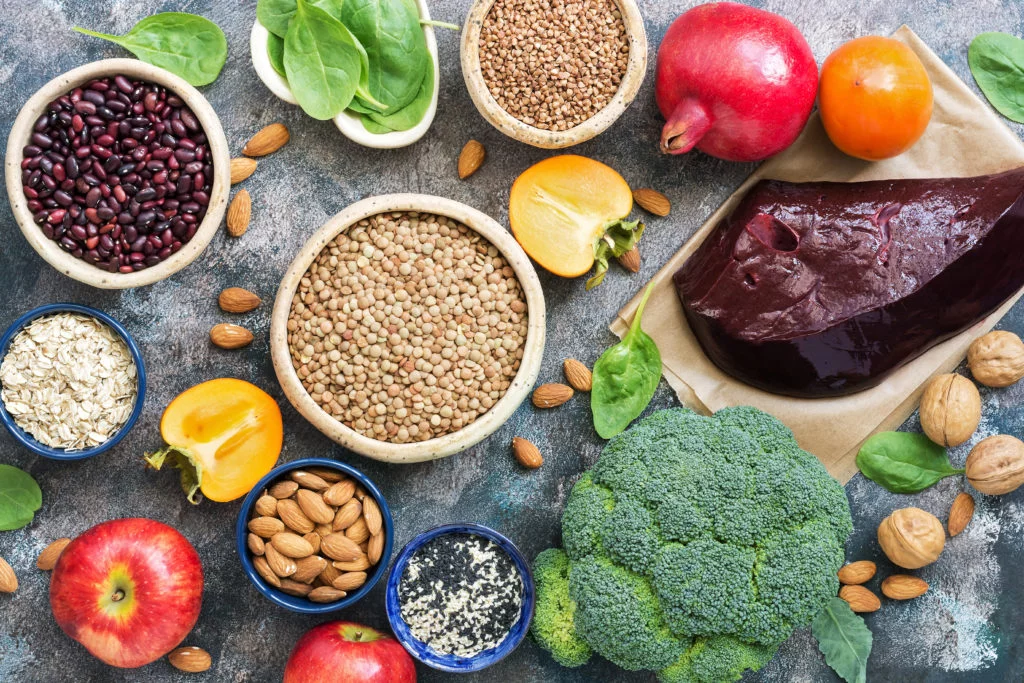
Whether you’re experiencing an acute IBS attack lasting a few hours or reoccurring symptoms lasting several days, some of the best foods to eat with IBS include:
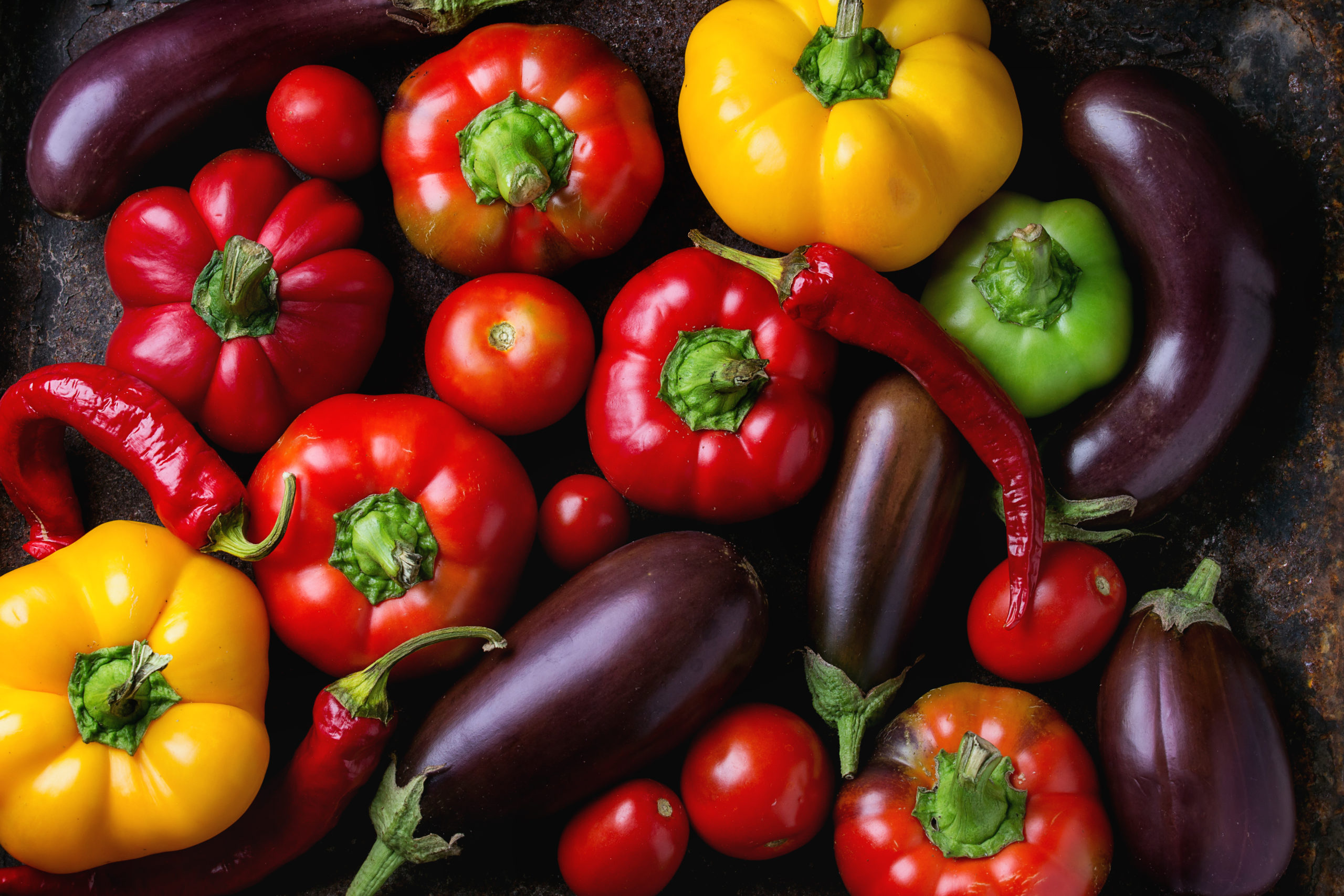
- Vegetables like carrots, cucumbers, kale, lettuce, spinach, ginger, potato, radish, olives, pumpkin, and tomato
- Fruits like oranges, mandarins, clementines, strawberries, grapes, and papaya
- Beef, chicken, lamb, pork, and various types of seafood
- Rice, cornmeal, and gluten-free grains
- Eggs, cheese, and lactose-free milk, and yoghurt
- Olive oil, coconut oil, sesame oil, sunflower oil
While these examples are all no-to-low FODMAP options, even foods like these that might be considered low-FODMAPs should be consumed mindfully. Certain combinations of these foods can result in “FODMAP stacking†which can put you past the threshold that still causes irritable bowel syndrome symptoms.
Elimination Diet for IBS
It’s worth underscoring the importance of diet, not only as a means to mitigate IBS attacks but also as a diagnostic tool. In particular, the elimination diet for IBS assesses whether specific foods are contributing to irritable bowel syndrome.
An elimination diet is a simple way to test yourself for food intolerance. The process involves avoiding certain foods entirely for a few weeks or longer, and later reintroducing them into your diet one at a time to identify which foods cause an adverse reaction in your digestive system.
Trials have shown that the elimination diet has been effective in helping IBS sufferers experience a clinically significant improvement4 in their IBS. Combined with food intolerance testing, experimenting with diet programmes can help you pinpoint foods that trigger gut hypersensitivities.
How To Test For Irritable Bowel Syndrome (IBS)?
Unfortunately, there is no test to definitively diagnose IBS. . It’s important to always consult your doctor or dietician if you experience any IBS symptoms, so they can rule out any underlying medical conditions. They may also carry out a blood test to check for coeliac disease or take a stool sample to check for infections or inflammatory bowel disease (IBD).
After other conditions have been ruled out, your doctor is likely to use one of these sets of diagnostic criteria for IBS:
- Rome criteria. Characterized as abdominal discomfort lasting at least one day per week over a 3-month period, and is associated with symptoms like altered frequency of defecation, altered stool consistency, or bowel movement pain and discomfort.
- Type of IBS. IBS can be categorised into three types of dominant symptoms: constipation-predominant, diarrhea-predominant, or a combination of the two. This categorisation can help in treating and prescribing certain medicines.
Research has shown that people with IBS can have higher levels of food-specific IgG antibodies in their blood5. As individuals, the reactions we experience to certain foods and drinks may vary widely. An ingredient that can cause problems for one person could be completely acceptable for another.
For those with symptoms of IBS, discovering and understanding your own personal food and drink intolerances (and the effects they have on your health and wellbeing) is vital to ensure you make the best choices to optimise your diet and quality of life. Identifying and eliminating these specific foods from your diet can be an important step forward to improve your digestion and, in turn, your management of IBS.
IBS symptoms can be distressing and can interfere with day-to-day life. If you’re taking a closer look at your diet, there’s an easy way to determine if there are any foods that may be contributing to your digestive distress. YorkTest has been providing IgG food intolerance testing†for 40 years. With a simple finger prick blood test, your results for up to 200 food and drink ingredients will show what works for and against your body.
How To Treat IBS?
Standard treatment of IBS centers on relieving symptoms, helping those who struggle with IBS take control and better manage their quality of life. Mild irritable bowel syndrone symptoms can often be controlled by making certain changes in diet and lifestyle such as:
- Avoiding trigger foods that flare-up symptoms
- Consuming no/low-FODMAP foods
- Drinking plenty of water and fluids
- Minimizing stress and anxiety
- Regular exercise
- Getting enough sleep
These treatment protocols are the first line of defense to mitigate mild symptoms from occurring. If further intervention is needed, you or your doctor may consider specific diet programmes as well as possible medication to treat IBS.
YorkTest Premium Food Intolerance Test
For those with recurring IBS or IBS-type symptoms, the Premium Food Intolerance Test can help you to identify which foods you are reacting to and help to take control of your condition.
- Find out whether you have an intolerance to over 200 food and drink ingredients
- Includes a consultation with a qualified Nutritional Therapist
- Measures all four subtypes of food-specific IgG
- Home-to-laboratory testing kit
- Your results sent to you within 10 days
YorkTest offers 40 years of excellence in laboratory diagnostic testing and has helped many individuals better manage their irritable bowel syndrome symptoms.
Treating IBS Symptoms with Medication
Depending on your symptoms, your doctor may recommend certain types of medications to treat IBS symptoms, such as:
- Anti-diarrheal medications. Over-the-counter options like loperamide are among the most common treatments designed to help with persisting diarrhea symptoms.
- Alosetron. Intended for severe cases of diarrhea-predominant IBS in women, particularly those who have not responded well to other treatments, Alosetron is a doctor prescribed medication designed to relax the colon and slow the passing of waste in the lower bowel.
- Anticholinergics. These IBS medications can help relieve painful bowel habitsand are sometimes prescribed for individuals who experience cases of diarrhea.
- Eluxadoline. Although several negative side effects have been reported, this type of medication has been shown to reduce diarrhea symptoms by easing muscle contractions and fluid secretion in the intestine while also increasing muscle function in the rectum.
- Lubiprostone. Specifically designed to increase fluid secretion in the small intestine to facilitate movement of stool. It’s been shown to work well for women who have IBS with constipation, but is only prescribed when severe symptoms are present and other treatments have not worked.
- Linaclotide. Similar to Lubiprostone, Linaclotide is a medication that can improve fluid secretion in the small intestine to help with bowel movements. Although it has been reported to cause diarrhea, taking Linaclotide 30 to 60 minutes prior to a meal can be helpful help.
- Rifaximin. This medication is a common antibiotic that can decrease bacterial overgrowth that can trigger IBS attacks, including diarrhea symptoms.
Other over-the-counter IBS medications and supplements can include laxatives, fibre supplements, and pain medications like pregabalin and gabapentin that can help in easing severe pain or bloating.
If your symptoms may be associated with depression, anxiety, and stress, your doctor may suggest medications like tricyclic antidepressants and SSRI antidepressants. Not only can these types of medications help relieve depression, but they can also help reduce pain and constipation associated with IBS.
Additionally, there’s been considerable research invested in new treatments for IBS, like fecal microbiota transplantation (FMT). The premise behind FMT is to restore intestinal bacteria by transplanting a healthy individual’s processed stool into the colon of a person affected by IBS. Although there is still much to learn about the efficacy of FMT as an IBS treatment, one study showed significant improvements in the quality of life among IBS patients who received FMT.6
Take Action Against Your Irritable Bowel Syndrome Symptoms
While IBS can be an ominous condition that doesn’t have concrete testing and treatment protocols, there are many things you can take control of to better manage symptoms. Document any triggers to your IBS symptoms, including specific foods. It can also be helpful to journal any personal issues or psychological struggles you may be facing, such as major stressors, feelings of anxiety and depression, or recent changes in your life. Taking inventory and writing down all things that may be influencing your IBS symptoms is an important first step to taking action.
Citations
1 Canavan C, West J, Card T. The epidemiology of irritable bowel syndrome. Clin Epidemiol. 2014;6:71-80. Published 2014 Feb 4. doi:10.2147/CLEP.S40245
2 Jones R, Lydeard S. Irritable bowel syndrome in the general population. British Medical Journal 1992; 304 :87 doi:10.1136/bmj.304.6819.87
3 Banerjee A, Sarkhel S, Sarkar R, Dhali GK. Anxiety and Depression in Irritable Bowel Syndrome. Indian J Psychol Med. 2017;39(6):741-745. doi:10.4103/IJPSYM.IJPSYM_46_17
4 W Atkinson, T A Sheldon, N Shaath, P J Whorwell. Food elimination based on IgG antibodies in irritable bowel syndrome: a randomised controlled trial. Gut 2004;53:1459–1464. doi: 10.1136/gut.2003.037697
5 Gillian R. Hart (2017). Food-Specific IgG Guided Elimination Diet; Role in Irritable Bowel Syndrome?. Int J Nutr Sci & Food Tech 3:4, 57-59
6 El-Salhy M, Hatlebakk JG, Gilja OH, et alEfficacy of faecal microbiota transplantation for patients with irritable bowel syndrome in a randomised, double-blind, placebo-controlled study. Gut 2020;69:859-867.
Liked this? You might also be interested in:
Foods to avoid with IBS – Not sure what foods to avoid when you have IBS? Not to worry, this blog post explains more about what a low FODMAP diet might mean to you.
What is IBS awareness month? – Did you know IBS has its very own awareness month? If you have irritable bowel syndrome, you’re not alone.
The 5 common pains of IBS – IBS affects 1 in 6 people. We’ve compiled a list of the top 5 most common symptoms which IBS sufferers report.