

Gluten Intolerance and Gluten Intolerance Symptoms
Are you reacting to Gluten?
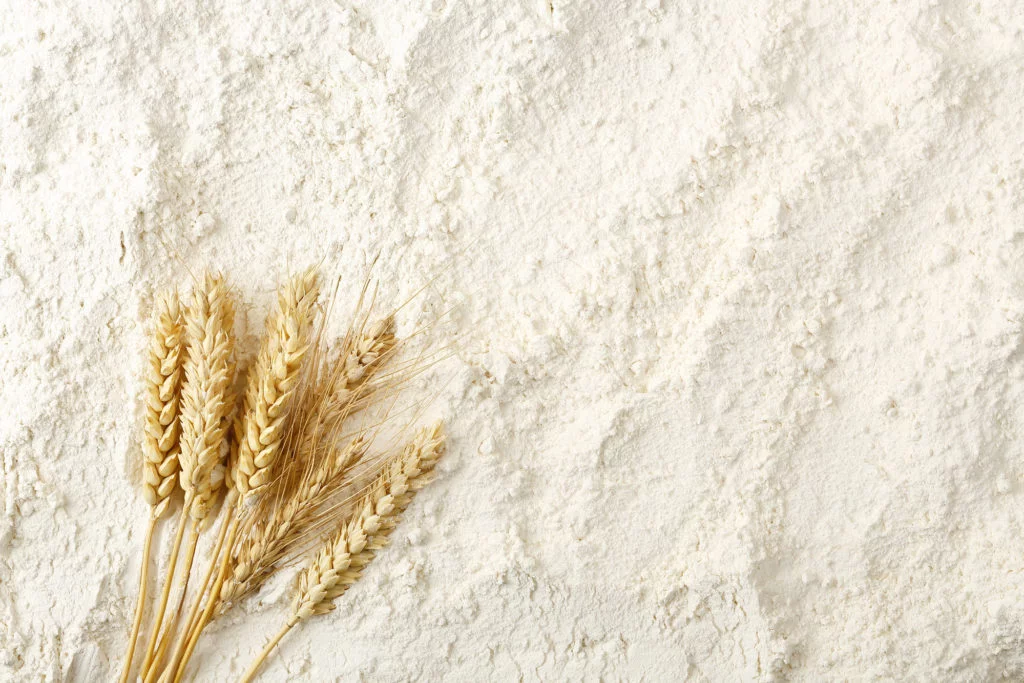
Gluten is a special type of protein that is commonly found in rye, wheat, and
barley. Therefore, it is found in most types of cereals and in many types of bread.
Not all foods from the grain family, however, contain gluten. Examples of grains
that do not have gluten include wild rice, corn, buckwheat, millet, amaranth,
quinoa, oats, soybeans, and sunflower seeds. Gluten is a composite of the proteins
gliadin and glutenin. Gliadin and glutenin comprise about 80% of the protein contained
in wheat seed. The stored proteins of corn and rice are sometimes called glutens,
but their proteins differ from wheat gluten by lacking gliadin. Gluten is the
elastic, rubbery protein in grains which binds the dough in foods such as bread
and other baked goods. It contributes to the spongy consistency.

Although wheat, rye and barley supply much of the world's dietary protein and
food supply, as many as one in every 100 to 200 people has Coeliac disease, a
condition which results from an immune system response to gliadin. In those with
Coeliac disease, gliadin stimulates the immune system to react with the bowel
tissue, causing an inflammatory reaction. That leads to flattening of the lining
of the small intestine, which interferes with the absorption of nutrients. The
only effective treatment for Coeliac disease is a lifelong gluten-free diet.
While Coeliac disease is caused by a reaction to the gluten proteins found in
wheat, rye and barley, it is NOT the same as allergy or intolerance to these grains.
Gluten intolerances can also cause symptoms that are not related to inflammation
of the intestines, and are not linked with Coeliac disease, however, they are
very real.
Do you think you maybe reacting to foods?
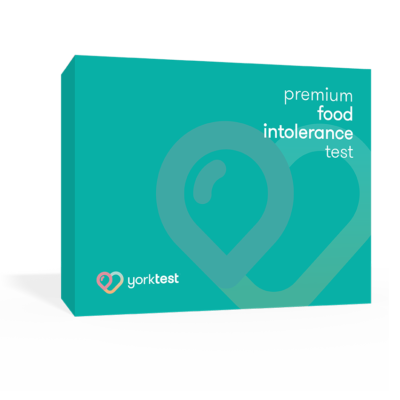
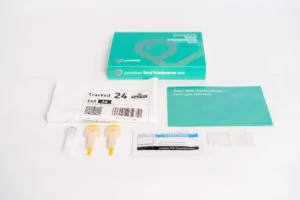
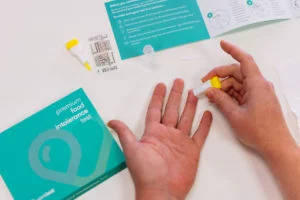
The First Step test is a pre-screen which identifies whether food-Specific IgG
antibody reactions are detected or not. If food-specific IgG antibodies are detected
then you can choose to embark on the more comprehensive Second Step FoodScan 113
programme. Included in the FoodScan 113 programme are two consultations with a
qualified Nutritional Therapist who will help you look at how to manage any potential
food intolerances.
Need further information?
Please call our specialists on 0800 074 6185 who will be happy to provide you
with free, confidential expert advice and guidance on the First Step test. Alternatively
click here for further information or
buy now.